
 Make a call
 Prospectus
 Email
Email
 Whatsapp
In UK higher education, a mature student is generally anyone starting an undergraduate course at the age of 21 or over.
10 ways to build confidence as a mature student in higher education
Discover practical ways to build confidence as a mature student in British higher education. Learn how you can balance your life with studies to achieve your academic ambitions with GBS.

Returning to higher education in the UK can feel like a big step, especially when you have spent years working, raising a family or building a life outside the classroom. It is normal to question whether you will remember how to study, manage assignments or feel comfortable among younger students. Many students share these feelings, particularly when returning to university after a break or entering British higher education for the first time.
The good news is that you are not alone. According to the House of Commons Library, mature students aged 21 and over account for 37% of all undergraduate entrants in the UK. This highlights that your presence in a classroom is common and welcomed. Higher education in the UK welcomes people from every background, whether you are starting fresh or training for career progression. As you step onto campus for the first time, remember that this marks the beginning of a new chapter, built on your life experiences. Developing practical habits will help you steady your nerves, trust your existing talents and steadily achieve your personal goals.
Key takeaways
- Small, completed tasks build more confidence than big plans ever do.
- Your existing work and life skills already belong in a classroom.
- Feeling out of practice with studying is normal, not a warning sign.
- Knowing your course structure early removes a lot of unnecessary worry.
- A few familiar faces on campus change how university feels day to day.
- Asking for support early is a skill, not an admission of failure
- Your progress only needs comparing with where you personally started.
- Recognising what you have already achieved keeps you moving forward.
Benefits of returning to British higher education as a mature student
Returning to British higher education provides you with the opportunity to gain more than just a qualification. You bring years of work experience, family responsibilities and life experiences into the classroom, which can help you bring a mature perspective, identify innovative problem-solving strategies and collaborate effectively with others. You may already be accustomed to managing deadlines, making decisions and adapting to changing plans. Pursuing higher education in the UK can be a great way to build on these experiences while also developing modern academic and professional skills. These benefits can make your return to study feel purposeful:
- Turn experience into qualifications: A diploma or other British higher education higher education qualification can give formal recognition to the knowledge and skills you have developed through work and life. It can support progression in your current career or help you move towards a new one.
- Apply learning to real situations: When you have worked or managed responsibilities outside education, you can connect academic ideas with real-life problems. A discussion about communication, for example, may remind you of a difficult workplace conversation or a situation where you had to support someone.
- Build on your existing skills: Managing work, family commitments and everyday responsibilities can involve planning, communication, problem-solving and decision-making. You can carry these skills into group work, presentations, projects and assignments.
- Develop new professional connections: Returning to higher education in the UK can introduce you to people with different backgrounds, experiences and career goals. These connections can help you exchange ideas, learn about different industries and develop relationships that continue beyond your course.
- Explore new career opportunities: If you want to progress in your current field or change direction, gaining a relevant qualification, such as a diploma or a degree in the UK, can help you work towards your next career goal. Your previous experience can give you useful context as you develop new knowledge and skills.
10 ways to build confidence as a mature student
When it comes to building confidence to keep up with the demands of university-level education after years, you have to be patient with yourself. Developing confidence is not an overnight process. It requires consistent effort over weeks and months. By taking small actions each week, you can transform your anxiety and initial nervous energy into a steady sense of certainty. We have identified 10 practical steps that can help you build that feeling steadily:
1. Start with small goals
When enrolling in a diploma or a degree in the UK, a full module or assignment can seem daunting when you first return to study. Break it down into smaller tasks that you can complete in a day or week. You could read one chapter, draft a section of an assignment or spend 30 minutes reviewing your notes. Each completed task is a sign that you are making progress.
2. Utilise your existing skills
Years of work and life experience have helped you develop a wide range of transferable skills. Consider how you have managed deadlines, solved problems, communicated with others and organised competing responsibilities. Leverage these strengths when tackling assignments, group work and your weekly workload. You are developing academic skills alongside those you have already acquired.
3. Give yourself time to adjust
Academic reading, referencing and formal assessments may feel unfamiliar if you have been away from education for several years. Give yourself time to understand what is expected of you. Attend study skills sessions, practice referencing and do not hesitate to ask your tutor about anything unclear. Small adjustments can gradually make academic work feel more familiar.
4. Learn how your course works
Knowing where to find information can help reduce unnecessary uncertainty. At the beginning of your diploma or degree course in the UK, get to know your timetable, learning platform, assessment deadlines and module materials. Keep a list of contacts for academic or personal support. Once you know where to find help, you can approach your studies with greater confidence.
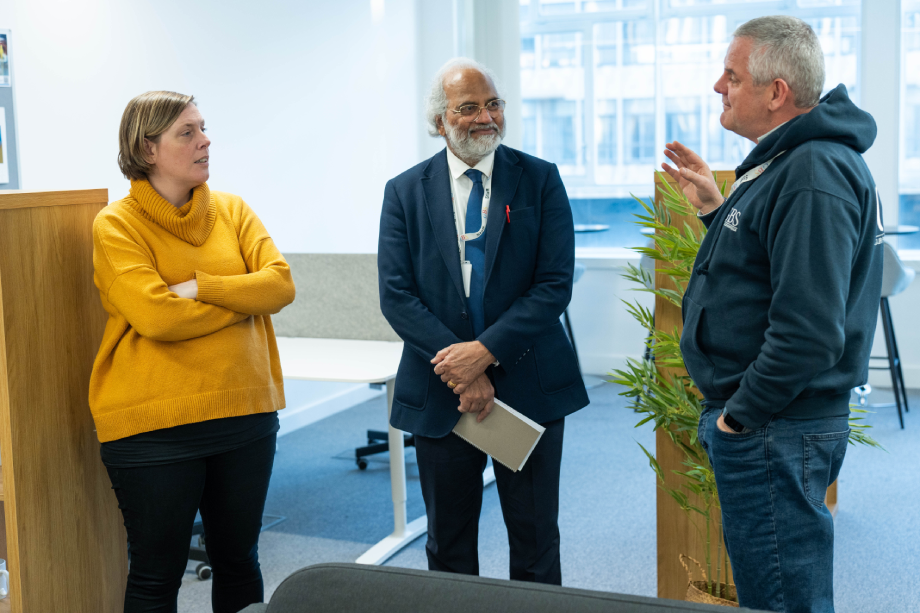
5. Connect with others
Returning to education can feel less intimidating when you have people to talk to. Introduce yourself to your tutors and classmates and consider joining a study group. This way, you can compare notes, discuss assignments and learn from other students' experiences. Building these connections can help you feel more comfortable in your learning environment and boost your employability.
6. Ask for help when needed
You do not need to wait until a problem becomes serious before asking for help. Speak to your tutor or support team if you are struggling with an assignment, academic writing, referencing or your workload. Knowing when to ask for help is part of managing your studies. Support can be particularly useful while you are finding your feet again.
7. Build a study routine around your life
Your studies need to work alongside your existing responsibilities. Set aside specific times for reading and assignments and plan around work, family or caring commitments. A realistic routine can help you avoid leaving everything until the last minute. Flexible approaches to learning can be particularly valuable for mature students managing other responsibilities.
8. Stop comparing your progress with other students
When enrolling in a British higher education programme, you will study alongside recent school leavers. Remember, their starting point is different from yours. Instead of measuring yourself against them, compare where you are now with where you were when you started. Your own progress gives you a fairer measure of how you are developing.
9. Learn from your mistake
An assignment that requires improvement does not define your abilities as a student. Review your feedback carefully and identify one or two changes you can make for your next task. Viewing mistakes as part of the learning process can help you approach challenging tasks with less fear. Progress comes from using feedback rather than expecting to get everything right at the outset.
10. Track of your progress
Confidence can be hard to recognise when you are busy studying. Keep a simple record of completed assignments, positive feedback, new skills or other milestones. When self-doubt creeps in, revisit what you have already achieved. Seeing your progress documented can remind you that you are capable of taking the next step.
How GBS supports mature students
If you are looking for a higher education provider in the UK that can help you fit studies around your existing commitments, Global Banking School (GBS) has designed its study options with busy lives in mind. GBS offers weekday and evening classes, with timetables designed around work, family and other commitments.
That flexibility can matter when you are returning to education after years away. You can build study into your life rather than putting your other responsibilities completely on hold. You can also access support as you move through your course. GBS provides academic support in areas such as essay writing, presentations and referencing, alongside study skills classes, seminars and one-to-one sessions.
Returning to British higher education can feel daunting if you have been away from the classroom for years or never had the chance to pursue a diploma or degree. You may need time to rebuild your academic confidence, learn new routines and work out how study fits around your existing responsibilities. You already have the skills and experience that can help you make that transition.
Explore GBS courses and find a study option that fits around your life.
Frequently Asked Questions
Q1. Who is a mature student in British higher education?
Q2. How can mature students build confidence at university?
Confidence tends to grow through small, repeated proof that you can manage your course, rather than through a single moment of feeling ready. Setting achievable goals, building a routine and asking for help early all contribute to that over time.
Q3. What are the benefits of studying as a mature student?
You bring real work and life experience into your studies, which often shows up as stronger time management, communication and problem solving compared with students coming straight from school.
Q4. What challenges do mature students face in British higher education?
Balancing coursework with a job, family or other responsibilities is one of the most common challenges, alongside getting back into the habit of academic reading and writing.
Q5. How can mature students balance education, work and family responsibilities?
Building a study routine around your existing commitments, rather than trying to force your commitments around an idealised routine, tends to work better.
Q6. What support is available for mature students in the UK?
Most UK higher education providers offer academic skills support, personal tutors, wellbeing services and, in many cases, foundation years for those without recent formal qualifications.
Q7. How can I overcome anxiety about returning to education?
Starting with one small, achievable task rather than trying to prepare for everything at once usually helps more than waiting to feel confident.
Q8. How can choosing the right higher education provider help mature students succeed?
A provider that genuinely understands mature students will offer flexible study options, foundation years where needed and support staff who expect adult learners rather than treating them as an exception.
All our courses/classes are subject to availability.