
 Make a call
 Prospectus
 Email
Email
 Whatsapp
A foundation year is an additional preparatory year attached to a degree. It helps students build academic skills, subject knowledge and confidence before progressing to full undergraduate study.
How a foundation year helps you return to education with confidence
Are you unsure about returning to education? Learn how a foundation programme can ease you in, rebuild confidence and create a clear pathway to higher education in the UK.

If you have been out of education for a while, going back is not just an academic decision. It affects your routine, your finances and your confidence. You might even find yourself asking:
- Am I ready for higher-level study?
- Can I keep up with the curriculum?
- What if I have forgotten how to study?
These questions are practical, not dramatic. Many adults returning to study in the UK balance work, childcare and existing responsibilities. According to Universities and Colleges Admissions Service (UCAS) data, in recent years, thousands of mature applicants have applied every cycle and a significant proportion have chosen pathways that include a foundation year before university. It tells you something important – that you are not alone in needing a structured re-entry point.
A foundation year for students exists for this exact reason. It is not a delay. It is preparation with a purpose. A foundation year allows you to rebuild study habits, strengthen subject knowledge and move into a degree with clarity instead of doubt.
Table of Contents
- What is a foundation year?
- Why a foundation year makes sense for returning learners
- The practical benefits of a foundation year
- Foundation year entry requirements
- Foundation year programmes at GBS
- Is a foundation programme the right step for you?
- FAQs about how a foundation year helps you return to education with confidence
What is a foundation year?
When people hear the term foundation programme, they sometimes assume it is a basic or remedial course and confuse it with a Higher National Diploma (HND). A foundation year for students is different from an HND, which is a standalone Level 5 vocational qualification. A foundation year is structured academic preparation programme aligned with degree standards in the UK. It is the first year of a degree programme and is designed to help you develop the skills you need to succeed. Think of it as a structured bridge. Instead of jumping straight into Year 1, you start with a foundation programme that focuses on:
- Academic writing and referencing using UK conventions.
- Research skills and learning how to evaluate source.
- Critical thinking and structured argument.
- Core subject modules linked to your chosen degree.
- Group work and presentations to build communication confidence.
You are introduced to the expectations of higher education in manageable steps. Instead of being assessed straight away at a full undergraduate level, you are gradually guided into it.
This approach matters. Many students who struggle in Year 1 do so not because they lack intelligence, but because they were not prepared for independent study. A foundation programme addresses that gap early.
Why a foundation year makes sense for returning learners
When you have been working for years, raising children or managing responsibilities, your brain is wired differently. You are used to practical tasks, deadlines and real-world problem solving. Higher education can feel unfamiliar, even if you were once confident in a classroom. In the past decade, the system has changed. Digital learning platforms, online submissions and structured referencing are now standard. A foundation year prepares you for success by helping you adjust step by step. It supports you by:
- Reintroducing academic language helps you adjust to expectations in a practical way.
- Showing you how assignments are structured in the UK higher education.
- Helping you build critical thinking skills and plan study time around work and family.
- Providing feedback early, so you can improve without feeling judged.
For mature learners returning to study after 10 or 15 years, confidence is often a bigger barrier than capability. A foundation year for students gives you space to test your readiness before moving into full undergraduate study. You are not starting from zero. You are building on the experience you already have.
The practical benefits of a foundation year
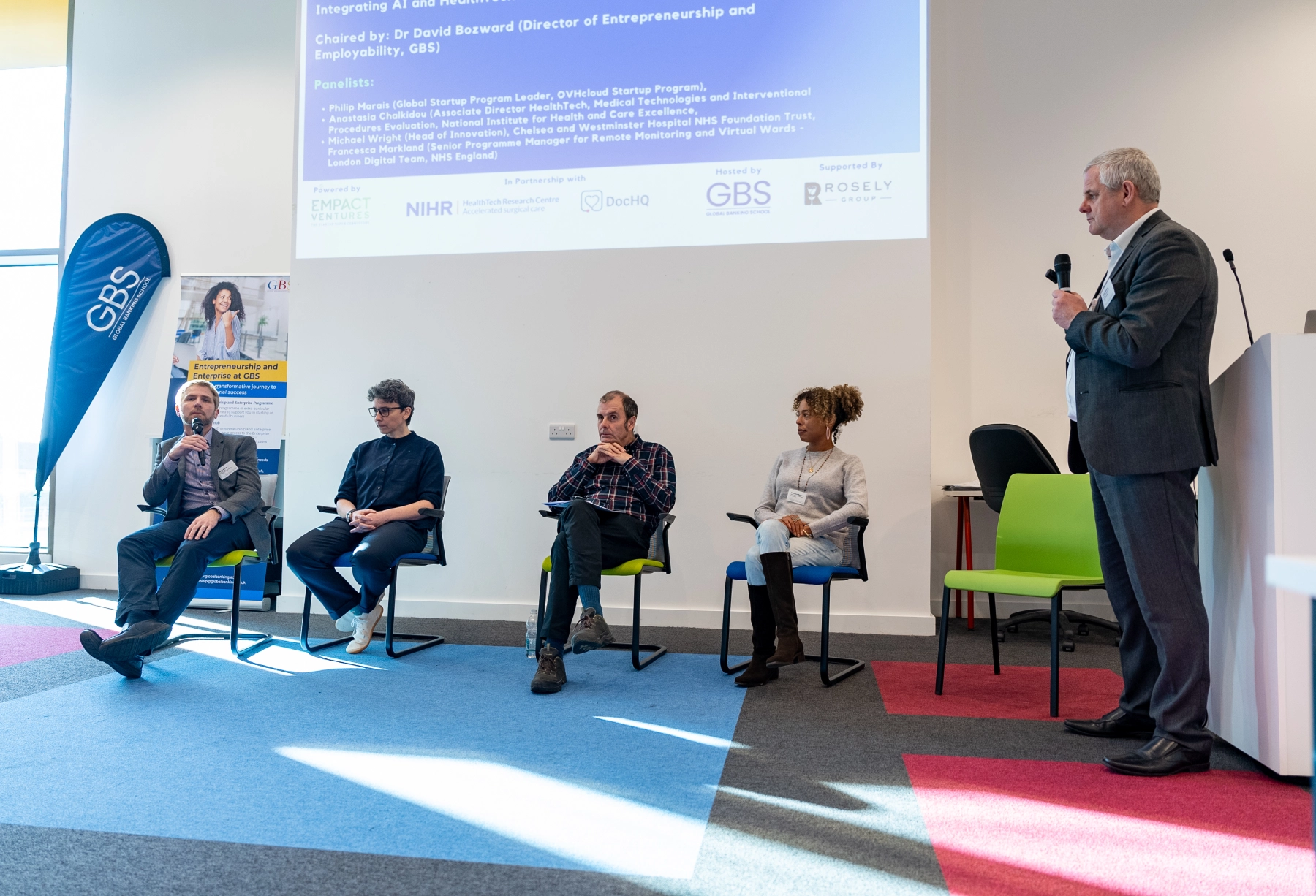
A foundation year changes the way you study and manage the day-to-day demands of higher education. The difference is evident in routine tasks, not just in the final results. You plan your time more realistically. You understand what a question is asking you. You know how to improve after feedback instead of feeling stuck. The steady improvements make the transition into Year 1 seem manageable rather than overwhelming.
1. Rebuilding academic confidence through small, structured wins
Confidence comes from doing the work and seeing progress. When you complete your first assignment and clearly understand the comments, you know what to improve next time. When you take part in a class discussion and realise your work experience is relevant, you begin to trust your voice again.
A foundation year for students is built around these steady steps. You are assessed, supported and guided before expectations increase. This makes the transition into full undergraduate study less abrupt.
2. A clear pathway to higher education in the UK
A foundation programme creates a realistic pathway to higher education in the UK for people who may not meet standard entry routes. It includes:
- Older qualifications gained some time ago.
- Non-traditional education backgrounds.
- Career changes later in life.
- Experience built through work rather than exams.
Instead of being judged only on past grades, you are assessed on your current ability and commitment. Foundation years widen access to higher education courses in a structured and recognised way.
3. Stronger preparation for higher education study and long-term progression
A foundation year before helps you build habits that keep you on track and progress to the next level. You learn how to reference correctly, avoid common academic mistakes and manage multiple deadlines.
Students who understand these basics early are less likely to fall behind in Year 1. For working adults, this preparation matters. A degree requires time, money and effort. A foundation programme reduces the risk of starting unprepared and struggling later.
4. Clearer expectations and fewer surprises
Many returning students say the hardest part of higher education is not the curriculum. It is understanding what is expected of them. A foundation year explains assessment criteria, marking standards and academic rules in plain terms.
You are shown examples of strong work. You practise before the stakes get high. This clarity removes guesswork and prevents small mistakes from turning into bigger problems.
5. A routine that fits real life
If you are balancing work or family responsibilities, structure is one of the most important things. A foundation year helps you build a study routine that works around your existing commitments.
You learn how long tasks actually take and test different ways of organising your week. By the time you reach Year 1, you already have a system that fits your life rather than disrupting it.
Foundation year entry requirements

One of the biggest misconceptions is that foundation years are only for certain types of students. In reality, foundation year entry requirements are designed to be accessible and boost your employability. They are typically more flexible than standard undergraduate entry requirements. Educational institutions recognise a broader range of qualifications and experience. This can include:
- GCSEs or equivalent qualifications.
- Professional or vocational experience.
- Evidence of work-based learning.
- English language proficiency.
This is especially important for students who may not have followed a traditional academic path. Foundation programmes open doors rather than close them.
Foundation year programmes at GBS
Foundation year programmes at Global Banking School (GBS) are built with real life in mind. Many of our students balance work, family and study. Customisable timetables and practical teaching approaches support that balance. Programmes are designed to support your transition into degree-level study across subject areas, including:
- Business and finance
- Construction management
- Digital technologies and computing
- Health and social care
- Project management
- Psychology
Students at GBS spend their foundation year focusing on applied learning. This means case studies, practical tasks and academic skill development are all integrated together. You are not expected to adjust on your own. Our academic teams and student support services are part of the experience from day one.
Is a foundation programme the right step for you?
Be honest with yourself. A foundation year for students is ideal if:
- You have been out of education for a long time.
- You do not feel fully confident about jumping straight into Year 1.
- You want structured academic support.
- You want smoother access to higher education.
It is not about whether you are capable; it is about being prepared in a way that sets you up to succeed. Choosing a foundation programme and applying to the right higher education institution is not taking the longer route; it is choosing the smarter one when your circumstances require it.
Returning to education is a brave decision and it is not about proving anything to anyone else. You are not the same person you were at 18. You have more experience, more responsibility and clearer goals. A foundation year gives you time to align your confidence with your ambitions. You do not need to be perfect. You need to be prepared and preparation is exactly what a foundation programme is designed to provide.
If you are ready to take a steady, supported step back into education, contact us to explore your study options and discover how a foundation year at GBS could be the perfect starting point.
FAQs about how a foundation year helps you return to education with confidence
Q1. What is a foundation year for students?
Q2. Is a foundation year before higher education worth it?
Yes, for students returning after time away. It reduces the shock of transitioning into higher education, strengthens study habits and improves readiness for assessed academic work.
Q3. Do foundation year entry requirements differ from standard degree entry?
Yes. Foundation year entry requirements are usually more flexible. They consider alternative qualifications and relevant experience while maintaining academic standards for progression.
Q4. Does a foundation programme guarantee progression into Year 1?
Progression depends on successfully completing the foundation year assessments. When you meet the required standards, you move into the first year of your chosen degree.
Q5. Is a foundation year a recognised pathway to higher education in the UK?
Yes. Foundation years are widely recognised as an established pathway to higher education in the UK, particularly for mature learners and those with non-traditional entry backgrounds.
All our courses/classes are subject to availability.