
 Make a call
 Prospectus
 Email
 Whatsapp
Absolutely. A business degree gives you transferable skills, such as leadership, strategy and financial thinking, which work across almost every industry. Whether you are moving from retail to marketing or from administration to management, it gives you the credibility and know-how to make that switch with confidence.
Business and finance
An HND (Higher National Diploma) is a two-year qualification focused on practical, work-related skills. It can also provide a route to a full bachelor's degree. After completing their HND, students may be able to progress directly to the final year of a related degree, allowing them to graduate with a BA (Hons) or BSc (Hons). A bachelor's degree typically takes three years, or four years with a foundation year, if studied from the beginning. Both HNDs and bachelor's degrees are valued by employers, with the degree providing a broader qualification for a range of graduate and management roles.
For postgraduate study, the one-year MSc Global Business develops knowledge of global business, strategy, leadership and management. It is designed for graduates and does not require a first degree specifically in business and management.
GBS graduates can pursue roles such as financial analyst, business development executive, marketing manager, account manager or project manager. They can also explore entrepreneurship and apply their skills across sectors such as finance, technology, healthcare and retail. For those looking to continue their education, GBS graduates can progress to postgraduate study, including the MSc Global Business at GBS.
Yes, and GBS actively supports that. You can learn about entrepreneurship, business planning and new venture management throughout our BA (Hons) Global Business and Entrepreneurship with Foundation Year course. We also have a dedicated Graduate Employment and Entrepreneurship Team that supports students and graduates who want to start something of their own, whether that is a startup, freelance work or a social enterprise.
A business degree with a foundation year offers you the opportunity to develop academic and professional skills before starting the main degree. This additional year can help you build confidence and readiness for higher education.
Employers are looking for people who can think critically, communicate well, solve problems and work in a team. They also want graduates with a good understanding of data, digital tools and global markets. At GBS, the curriculum covers all of this, from marketing and finance to organisational behaviour and strategy.
Yes. GBS offers classes on weekdays and in the evenings, so you can fit studying around your job. Many of our students do exactly that, they work and study at the same time.
Definitely. GBS runs careers fairs, networking events, guest speaker sessions, and applied projects with industry leaders. You will also have access to the Careers and Placement Hub, which connects you with job opportunities and employability support during your studies and for five years after you graduate.
GBS courses are designed to be practical and focused on industry relevance. You will learn from experienced lecturers who have worked in the field. There is a strong emphasis on fostering entrepreneurship.
A business degree can provide a useful foundation for a range of career options. Organisations across sectors such as finance, technology, healthcare and tourism need people with skills in areas such as management, planning, communication and problem-solving. A business degree can help develop these transferable skills, while flexible study options at GBS allow students to balance their studies with work and other commitments.
Construction management
There are plenty of options. Graduates typically go on to roles like construction manager, site manager, project manager, quantity surveyor, estimator, health and safety officer, planning supervisor, facilities manager and construction consultant. The industry is always growing, so there's strong demand for skilled professionals.
Construction management and architecture are related but different fields. This course focuses on managing and overseeing projects, planning, budgeting, health and safety, and getting things built on time and within budget. If your goal is architecture specifically, you will need a dedicated architecture degree. That said, the knowledge you gain here in building design, construction technology, and the built environment can help you lay the foundations for an architecture career.
Not directly. Electricians follow a specific trade qualification pathway. A construction management degree is more suited to management and oversight roles within the industry. However, the course provides a strong understanding of how trades fit into the broader picture of a construction project, which is useful if you ever move into site management or coordination.
The CSCS (Construction Skills Certification Scheme) card is a separate qualification you will have to apply for independently. However, studying construction management at GBS gives you the academic foundation that can support your pathway to gaining the relevant CSCS card for a management or supervisory role on site.
The course combines classroom learning with practical, industry-focused activities. Teaching takes place through lectures, seminars and project work, complemented by case studies, industry projects, guest speakers and professional software. Opportunities for site visits and industry engagement may also be available, helping you connect theory with practice and develop skills relevant to the construction industry.
Graduates go on to work for a wide range of organisations, from large construction firms and contractors to property developers, local authorities and housing associations. The skills you build are valuable to any organisation that plans, builds or maintains the built environment.
Yes. A Construction Management degree provides a strong foundation for progressing into project management roles within the construction and built environment sector. Project management is a core part of the construction management curriculum. You will cover planning, scheduling, resource management and stakeholder coordination, all the skills you need to step into a project management role.
Yes. Construction Management is currently a good career choice in the UK. Demand for construction professionals remains high due to major investment in housing, infrastructure, regeneration and sustainability projects. The UK construction sector is also experiencing skills shortages, creating good opportunities for graduates entering management and leadership roles.
It really is. The UK has a constant need for new homes, infrastructure and commercial buildings, which means skilled professionals are always in demand. The industry also pays well and offers clear progression routes, from site management all the way up to senior leadership roles.
You will build skills in project planning and delivery, cost estimation, health and safety, procurement, building technology, sustainability, legal and contract management, and leadership. You will also develop practical problem-solving and decision-making skills all things employers in the construction industry look for.
Yes. You do not need prior experience in construction to study this course. The Foundation Year is designed to help you develop the academic knowledge, study skills and industry understanding needed to progress successfully onto the degree. Whether you are starting after school, changing career, or returning to education, the course provides the support and preparation to help you succeed.
Digital technologies and computing
Yes, you can. While a basic level of numeracy is helpful, you do not need to be a maths expert to get started. The foundation year at GBS is designed to build your academic and technical skills from the ground up. Many students who did not study maths at A-level have gone on to succeed in computing careers.
It is one of the fastest-growing fields there is. Cyber threats are increasing, and every organisation, from NHS trusts to banks to retail giants, needs skilled people to protect their systems and data. The demand for cybersecurity professionals in the UK far outstrips supply, which means strong job prospects and competitive salaries.
Absolutely. Tech skills are needed in virtually every industry, including finance, healthcare, retail, government and more. Roles like software developer, data analyst, cloud engineer and IT consultant are consistently among the most in-demand jobs in the UK. A computing degree opens doors in almost any sector you are interested in.
Yes. The HND in Digital Technologies for England (Cyber Security) is specifically focused on cybersecurity. You will learn about data protection, ethical hacking, risk assessment, network security and how to protect digital systems from real-world threats. The BSc (Hons) Computing course also covers cybersecurity as part of its broader curriculum.
It is possible with the right preparation. The skills you learn, programming, data analysis, cybersecurity, cloud and computing, are transferable across industries. Many GBS students come from completely different backgrounds and use these courses to make a clean career switch into tech. Employers value the qualification, and GBS's career support helps you make that transition confidently.
Yes. Classes are available on weekdays and in the evenings, depending on your campus. This flexibility means you can keep your job while studying. GBS is designed for students who have real-life commitments, whether that is work, family or both.
A wide range. Graduates go on to roles such as software developer, cybersecurity analyst, data scientist, cloud engineer, UX designer, IT consultant, business intelligence analyst, full-stack developer, and more. The specific path depends on where your interests lie, but the course gives you the foundation for all of them.
Yes. The BSc (Hons) Computing with Foundation Year is designed to take you from the beginning. The foundation year builds your core academic and digital skills, and from there, you progressively develop your programming knowledge alongside other technical areas such as data science, networking, and cybersecurity. No prior coding experience is required.
Yes. The courses include hands-on projects that reflect real industry scenarios. You will work with industry-standard tools and, through GBS's employer network, there are also opportunities for internships and work placements with companies across finance, healthcare, tech and other sectors.
The foundation year option is a big part of it. It is there specifically for students who want to ease into degree-level study. Beyond that, lecturers are experienced and approachable, the curriculum builds progressively, and there is dedicated academic and wellbeing support throughout. You are never just thrown in at the deep end.
Health and social care
A health and social care degree will not qualify you directly as a registered nurse. Nursing requires a specific NMC-approved nursing degree.
Yes, it can. The NHS employs people in many roles beyond clinical nursing, including healthcare management, patient services, health education, social work and community support. A health and social care degree equips you with the skills and knowledge relevant to a number of NHS roles, particularly in management and care coordination.
GBS courses are awarded by recognised universities, which are respected across the healthcare sector. While the degree itself does not guarantee NHS employment, the qualification is credible and valued by healthcare employers, including NHS organisations.
Yes, it is a common pathway. A health and social care degree gives you a solid grounding in social care theory, legislation and practice. To become a qualified social worker, you would typically go on to complete a postgraduate social work qualification, and this degree is a recognised route to achieving that qualification.
It is actually one of the most popular choices for mature students. Many people come to this course after working in care, raising families, or simply wanting to make a difference.
Some pre-registration undergraduate or postgraduate pharmacy or healthcare science courses attract NHS funding, but this depends on the specific pathway and funding rules at the time you apply. We recommend checking the latest NHS Learning Support Fund guidance and speaking to our team for the most current information.
Graduates go into roles like healthcare manager, care worker, health education officer, community development officer and social care coordinator. Some go on to further study in nursing, social work or psychology. The healthcare sector is one of the most consistently growing in the UK, so the job prospects are strong.
Yes. The degree gives you a broad foundation and, from there, you can specialise through further study or on-the-job experience. Common next steps include postgraduate qualifications in social work, nursing, public health, counselling or healthcare management.
No. GBS courses are validated and awarded by our partner higher education institutions in the UK. This means the qualifications you earn are recognised and respected by employers across the health and social care sector.
No, you do not. The course is open to students from all backgrounds. If you are passionate about helping people and want to build a career in healthcare, that is what matters. The foundation year gives you the academic skills to succeed, and GBS's supportive environment means you will not feel out of your depth.
Project management
Yes. The courses are built around practical, real-world learning. You will work on case studies and projects that reflect actual industry challenges, and you will learn to apply tools and frameworks that project managers use every day. By the time you graduate, you will have hands-on experience to talk about in interviews.
Both. You will have individual assignments as well as group projects that develop your ability to collaborate, communicate and manage team dynamics, all essential skills for a project management career. Group work also gives you experience of the kind of cross-functional teamwork you will find in any real workplace.
A project management qualification can open up career opportunities across various sectors. Graduates may pursue roles such as project manager, project planner, risk manager, programme manager or operations manager. For those looking to specialise further, an undergraduate degree in project management can also provide a route to postgraduate study, including a master’s in project management.
Yes. Project management attracts students from a range of academic and professional backgrounds, including healthcare, computing and construction management. A master’s in project management can help graduates from these disciplines build on their existing knowledge and develop skills in project planning, risk management, budgeting and stakeholder coordination. This makes postgraduate project management a potential next step for those looking to apply their existing expertise in a project-focused role.
Pretty much any industry. Construction, IT and tech, finance, healthcare, logistics, government, events, energy, they all need project managers. That is what makes it such a versatile qualification. Once you have the skills, you can apply them almost anywhere.
Yes. The curriculum covers project management methodologies, tools and frameworks, including agile approaches. You will learn how to manage time, budgets, risks and stakeholders in line with industry best practice. These are exactly the things employers expect project managers to know.
It is a great one. Every organisation, big or small, public or private, runs projects, and they need skilled people to manage them. The demand for qualified project managers in the UK is consistent and growing, with strong salaries and clear progression routes into senior and programme management roles.
Yes. GBS offers classes on weekdays and in the evenings, and the course is designed with working students in mind. You do not have to give up your job to get this qualification, many students balance both successfully.
You will develop skills in planning and scheduling, risk management, stakeholder communication, team leadership, budget management, quality assurance and strategic thinking. You will also build problem-solving and decision-making skills that are valued well beyond project management itself.
Project management qualifications can help demonstrate knowledge of planning, team leadership, risk management and project delivery. These skills are relevant across industries and can support career development for both aspiring project managers and professionals looking to build on their existing experience. GBS's employer connections and career support can also help students explore opportunities and plan their next steps.
Psychology
A bachelor's degree is a great foundation, but becoming a fully accredited therapist typically requires further postgraduate training and supervised practice. The BSc (Hons) Psychology with Counselling at GBS prepares you well for that next step, giving you the theoretical knowledge and counselling skills to progress into postgraduate study or roles in mental health support.
Yes, this course directly prepares you for the counselling pathway. You will cover counselling theory, therapeutic methods and practical skills throughout the degree. While full accreditation as a counsellor typically requires additional supervised hours and postgraduate training, this degree gives you a strong and credible starting point.
No. The degree is awarded by Bath Spa University, a renowned UK university. This gives you a credible, nationally recognised qualification. For formal accreditation with professional bodies like the BPS (British Psychological Society), you would typically need to continue to postgraduate level.
No. British Association for Counselling and Psychotherapy (BACP) recognition is typically achieved at the postgraduate training level. This undergraduate degree provides the academic foundation to progress toward BACP-recognised training. We recommend checking with BACP directly about the latest requirements for accreditation.
No. To become a registered mental health nurse, graduates must complete an approved nursing programme that leads to professional registration with the Nursing and Midwifery Council (NMC). A psychology with counselling degree can provide relevant knowledge of human behaviour and mental health, but it does not replace this requirement. Graduates considering a second degree should also check their eligibility for student finance and NHS funding, as previous study can affect the support available.
You will need to be 18 or over, have a Level 3 qualification (equivalent to 80 UCAS tariff points), and have GCSEs at grade 4/C or above (or equivalent). If you are 21 or over and do not meet the standard entry requirements, you can still apply if you can show relevant academic, professional or life experience. There is also a panel interview as part of the process.
GBS reviews its course content annually, taking into account student feedback, developments in the subject area and input from External Examiners, independent academic experts from other universities. This ensures the course stays current and relevant to what is actually happening in the psychology and counselling sector.
The course covers a wide range of areas, including social psychology, developmental psychology, cognitive psychology, forensic psychology, biopsychology and counselling as a therapeutic method. In your final year, there is a focus on research and independent study, which gives you space to explore areas you are most passionate about.
Yes, absolutely. Many graduates go on to postgraduate study in areas like counselling and psychotherapy, clinical psychology, social work or mental health nursing.
There are many directions you can go. Graduates pursue careers in counselling, social work, mental health support, education, community outreach, HR, occupational psychology and more. Some go on to postgraduate study to specialise further. The skills you gain, communication, empathy, research, and critical thinking, are valued across a wide range of fields.
Campus experience
GBS has partnerships with employers across many industries, finance, healthcare, education, digital marketing, IT, logistics and more that allows you to explore placement and volunteering opportunities.
GBS has a dedicated Careers and Employability Centre that supports you during your studies and for five years after you graduate. They offer one-to-one career coaching, CV and cover letter reviews, interview prep, mock interviews, careers fairs, networking events and access to job opportunities. There's also the Handshake platform that connects you directly with employers.
Yes. GBS degrees are awarded by established UK universities, including Bath Spa University, Canterbury Christ Church University, Oxford Brookes University and the University of Suffolk and LTU. These are fully recognised qualifications respected by employers in the UK and internationally.
Yes, if applicable. As a UK student, you can apply for a Tuition Fee Loan to cover your course fees and a Maintenance Loan to help with living costs. Contact us for full details on eligibility and how to apply.
Once you have submitted your application and supporting documents, you will be invited to an admissions interview, which includes an assessment of your listening, speaking and writing skills (and numeracy for some courses). After that, GBS will make a final decision on your application and get in touch with you about the next steps.
GBS does not automatically provide laptops to all students. However, you will have access to on-campus devices that can be borrowed for use during the day and returned before you leave. You can also use your own device to access learning materials, manage your studies and stay connected through the MyGBS app. If you have any concerns about accessing the technology you need, the student support team is there to help.
GBS is a diverse, welcoming community of students from all walks of life. There are networking events, careers fairs, guest speaker sessions, open days and campus tours throughout the year. Students consistently rate GBS highly in the National Student Survey, scores have been above the sector average for six consecutive years.
Yes. Classes are available on weekdays and in the evenings, so you can study around work, family and other commitments. Most courses have multiple intake dates throughout the year, typically October, February and June, so you are not limited to a single start date.
GBS offers a range of support services, including academic guidance, wellbeing assistance, financial advice and career help. Our resources also include access to the library and safeguarding services. During your studies and after graduation, you can utilise employability support through our alumni team. If you are interested in starting a business, you can receive guidance from our entrepreneurship team. Additionally, you can stay connected to ongoing career support through the alumni community, all accessible through the MyGBS app.
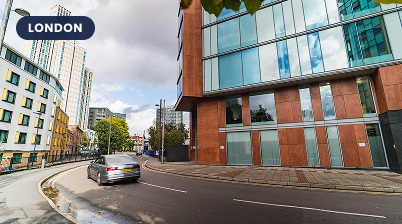
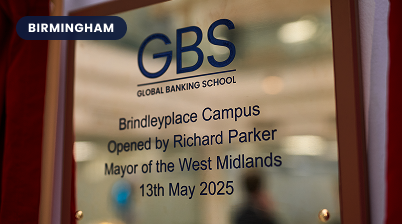
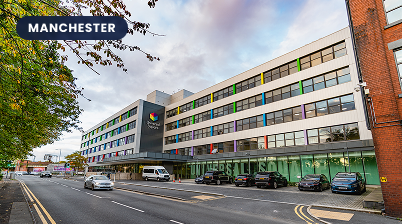
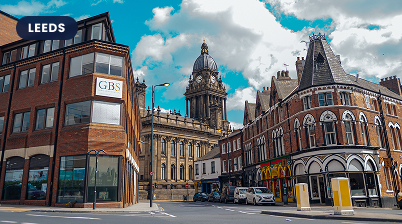
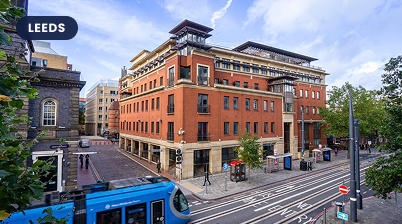
GBS has campuses across the UK. You can study in London (Greenford, Bow Road, Stratford/GEDU House, Canary Wharf/Republic, and Cam Road), Birmingham (Norfolk House and Brindleyplace), Manchester (Universal Square) and Leeds (St George House and Wellington Place). That's 10 campus locations to choose from.
Explore our courses
We offer variety of courses in Business Management, Accounting and Finance,
Healthcare, Project Management and Psychology
Find our campuses
We have 10 campuses in four of the UK’s biggest and most exciting cities – London, Manchester, Birmingham and Leeds. Wherever you study with us, you will have access to the same range of state-of-the-art facilities and top-quality teaching.
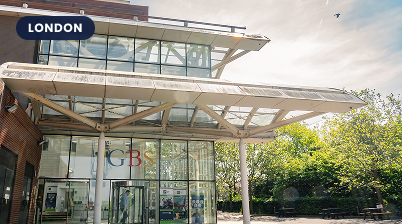
Greenford, London
 Greenford Rd, London UB6 0FP
▣
Central Line Tube (Greenford Station)
View Campus Details
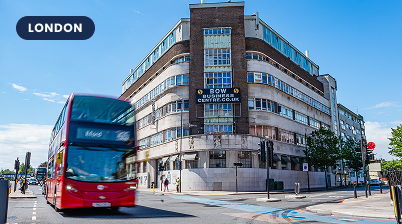
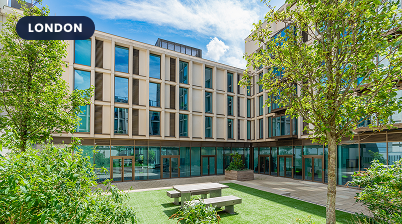
GEDU House - Stratford, London
Stratford City, London E15 2NE
▣
Stratford Station
View Campus Details
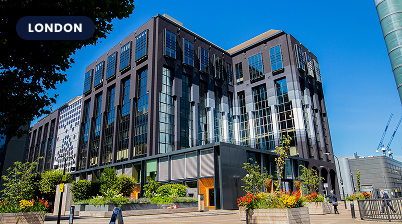
Republic - Canary Wharf, London
Clove Crescent, East India, London E14 2BE
▣
East India DLR & Canary Wharf Jubilee Line
View Campus Details
Cam Road - Stratford, London
Cam Road, Stratford, London
▣
Stratford transport connections
View Campus Details

Universal Square, Manchester
Universal Square, Manchester
▣
Manchester city centre
View Campus Details
All our courses/classes are subject to availability.
All our courses/classes are subject to availability.