
 Make a call
 Prospectus
 Email
Email
 Whatsapp
- Almost 3.9 million people work across the UK in the tourism sector and the industry is worth approximately £310 billion a year.
- Customer experience management underpins every skill on this list, from concierge desks to online travel agencies.
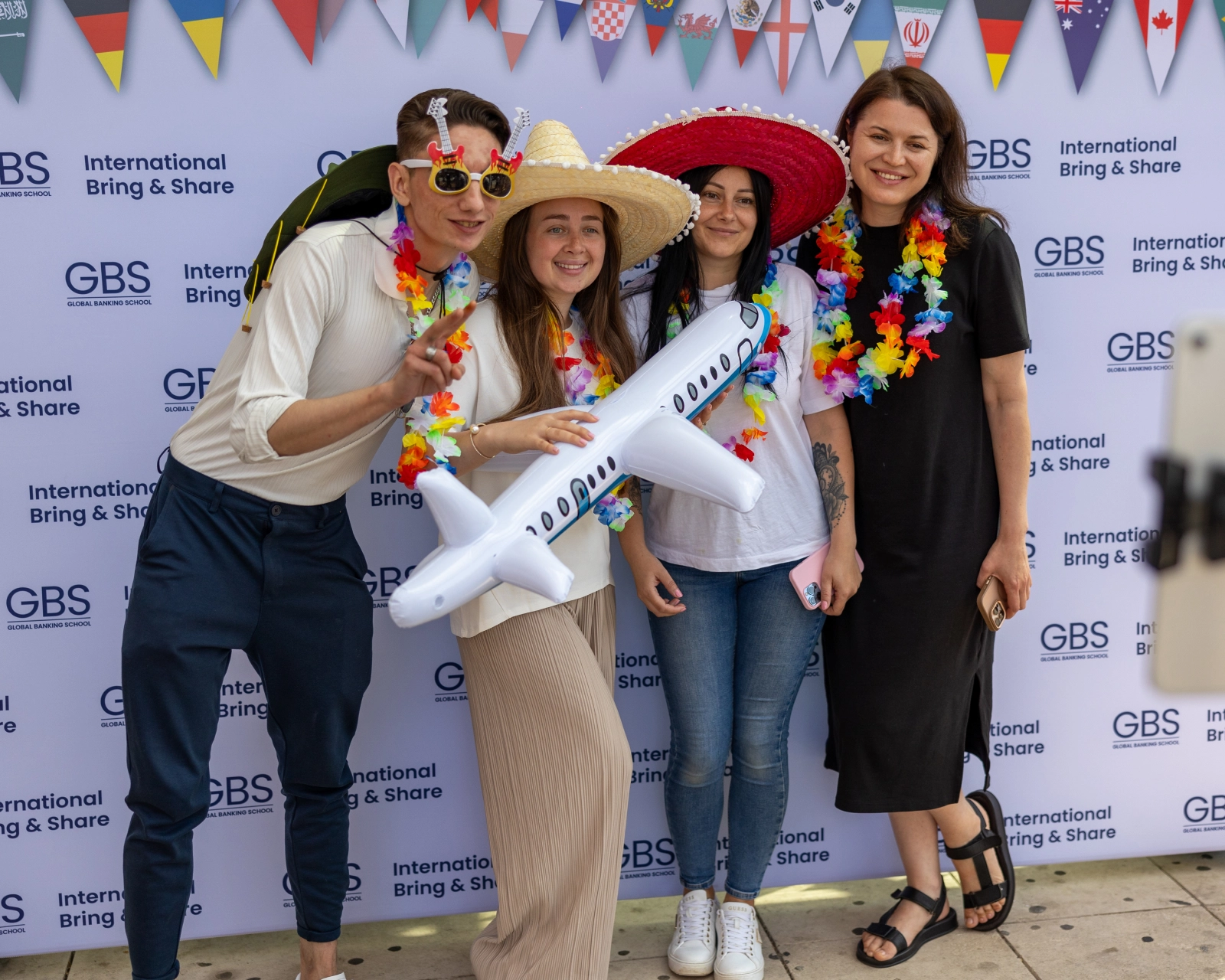
- Cultural intelligence matters as much as language skills when guests arrive from six countries in one afternoon.
- CRM platforms, AI chatbots and contactless check-in are now running run daily operations, even within small businesses.
- Calm communication turns a complaint into a five-star review instead of a refund request.
- Sustainability has moved from a nice-to-have to a genuine hiring requirement.
1. Customer experience management
Every strong tourism career starts with how you treat people, both online and face-to-face. Customer experience management means designing every touchpoint so guests remember it for the right reasons, from your booking confirmation email to how you handle a lost suitcase. The tourism industry is worth approximately £290 to £310 billion a year and guests have more choice than ever, so personal touches often decide who they book with next time.
- Learn how to personalise service, from remembering guest preferences to tailoring recommendations for solo travellers, families or business guests.
- Understand every touchpoint a guest experiences, including your website, booking system, check-in desk and post-trip follow-up.
- Practise recovering from mistakes quickly, since how you handle a problem often matters more to guests than the problem itself.
- Get comfortable using guest feedback and reviews to spot patterns before they become more serious.
2. Cultural intelligence (CQ)
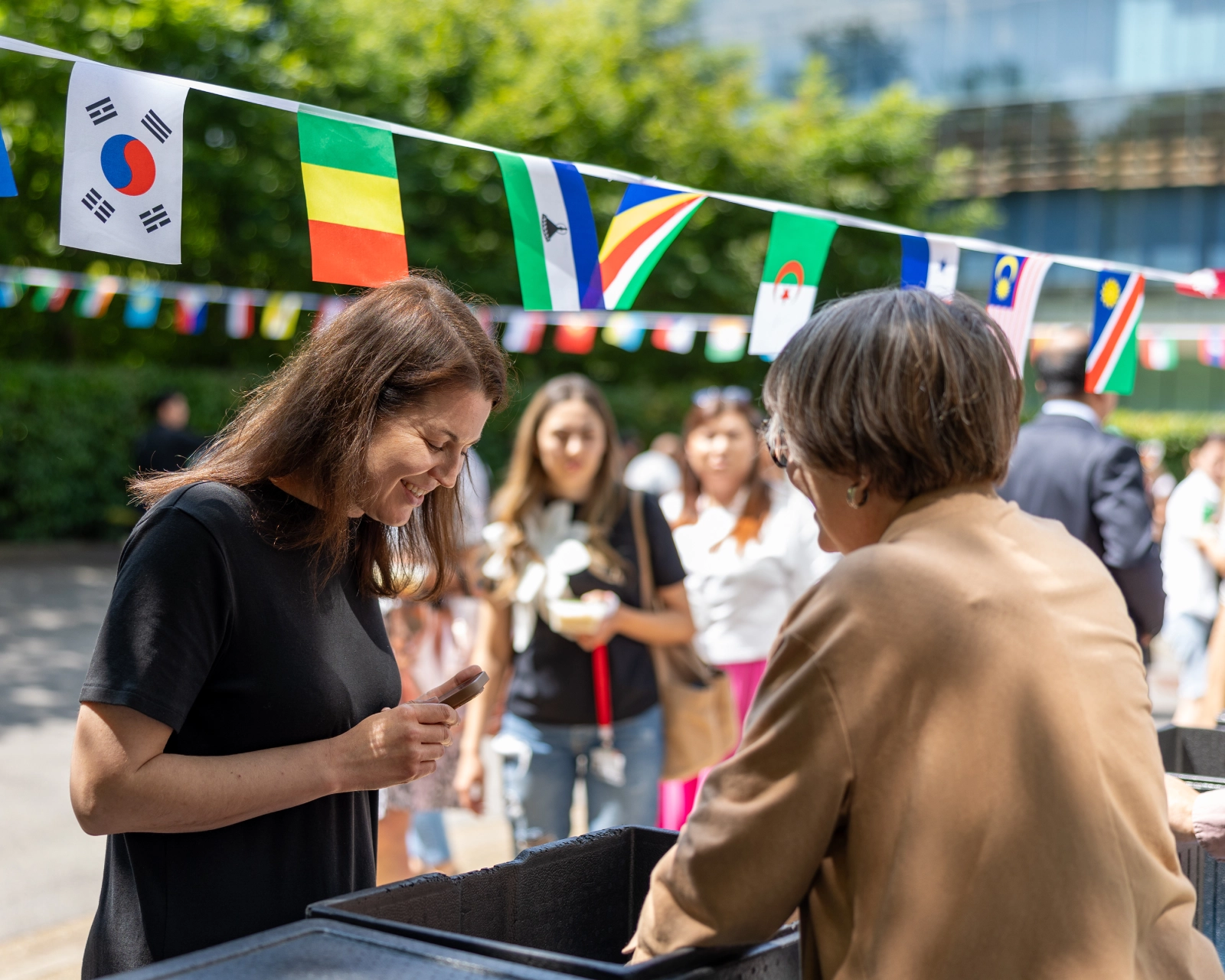
With millions of overseas residents visiting the UK every year, you will likely serve guests from dozens of different countries and backgrounds during your career. Developing strong hospitality management skills includes building your cultural intelligence, which is your ability to read cultural cues, adjust your communication and make every guest feel respected regardless of where they are from. It extends beyond knowing a few phrases in another language.
- Recognise how greetings, personal space and conversation directness vary across cultures.
- Adapt your tone and body language depending on who you are speaking with, without losing professionalism.
- Learn from colleagues and guests directly, since lived experience often teaches CQ faster than any course.
- Avoid assumptions based on nationality alone, since guests from the same culture can still have very different expectations.
3. Digital and technological literacy
Tourism runs on technology in 2026, from the booking engine on a hotel website to the chatbot answering questions at 2 am. Gaining digital tourism management skills means you must feel completely confident using the modern systems that keep hotels and tour companies running behind the scenes.
- Manage modern customer relationship management software to track guest feedback and habits.
- Coordinate with automated AI chatbots to answer simple customer queries instantly.
- Use smart digital marketing tools and search engine optimisation to attract online bookings.
- Oversee contactless check-in platforms and smartphone room keys for a smooth arrival process.
4. Communication skills
Clear and calm communication skills in hospitality will protect your brand reputation when things get busy during the peak summer periods. You must keep your language professional whether you are speaking face-to-face, writing an email or replying to a review online.
- Listen actively to guests without interrupting them so you can understand their exact frustrations.
- Write clear, polite emails to confirm custom tour packages or event bookings.
- Update your team members quickly during busy shift handovers so no detail gets missed.
- Maintain a relaxed, steady tone of voice when handling stressful front-desk situations.
5. Problem-solving and crisis management
Flights get delayed, guests complain and booking systems fail at the worst possible time. None of this is unusual in tourism and mastering problem-solving in hospitality dictates how quickly and calmly you fix things when they go wrong.
- Stay calm under pressure, since panic often makes a difficult situation harder to manage
- Think on your feet, especially when there is no manager around to ask.
- Learn to prioritise, since you often need to solve the most urgent problem first, while others wait.
- Build a mental checklist for common issues, such as overbooking, lost luggage or transport delays.
6. Emotional intelligence (EQ)
Recognising how a guest feels allows you to turn a poor situation into a massive customer service win. Being able to read body language, show genuine empathy and manage your own stress levels keeps the atmosphere positive for everyone.
- Notice small visual clues, like a tired family arriving late, and speed up their check-in process.
- Stay perfectly polite and professional even when a customer is expressing their anger unfairly.
- Support your colleagues during intense working hours to maintain a happy, productive team.
- Apologise with genuine sincerity when a service does not meet the high standards you promised.
7. Adaptability and flexibility
Travel trends can change quickly due to unpredictable weather, shifting currencies or sudden economic updates. You need to adjust your daily operations and shift patterns without dropping the high quality of your service, which is essential for long-term career progression in hospitality.
- Move staff members quickly between different roles when one department gets unexpectedly busy.
- Refresh your tour itineraries smoothly if sudden bad weather disrupts outdoor activities.
- Update your seasonal business offers to match sudden changes in local travel habits.
- Learn new industry software upgrades quickly to keep your business operating efficiently.
8. Sustainability awareness
Modern travellers care deeply about their environmental footprint and actively choose green businesses. Understanding responsible travel practices makes you highly employable and helps you reduce your daily business utility bills.
- Cut down on single-use plastics across your property by using high-quality refillable alternatives.
- Source your food ingredients and event supplies from reliable local UK producers to lower emissions.
- Set up energy-saving heating and lighting systems in your rooms and public spaces.
- Teach your guests about the local wildlife and heritage protection areas they are visiting.
9. Sales and upselling skills
Tourism and hospitality management is fundamentally a business that needs to make a profit to survive. Knowing how to gently guide a customer toward premium options improves their trip while increasing your total revenue per guest.
- Suggest room upgrades or custom tour add-ons that match what the guest actually likes.
- Use live booking data to change your ticket prices during peak times and quieter weeks.
- Create special package deals that combine accommodation, dining and local entry tickets.
- Highlight the genuine value of premium options rather than using aggressive sales pressure.
10. Leadership and team coordination
You do not need a management title to start building leadership skills in tourism. Even early in your career, you will work across teams, cover shifts and sometimes may even lead a small group of colleagues or volunteers.
- Give clear, simple jobs to your shift staff so everyone knows their exact duties.
- Motivate your colleagues by praising their hard work during long, busy weekends.
- Run quick, helpful team meetings before shifts to discuss the day's main bookings.
- Deal with small internal staff arguments quietly and fairly before they affect customer service.
By 2026, the strongest tourism professionals are hybrids. You are part service expert, part tech-enabled operator and part business thinker and building the ten skills above puts you well on the way to becoming exactly that. If you want to study tourism management in the UK with proper academic grounding alongside these professional skills for tourism, GBS's BSc (Hons) Business & Tourism Management combines core business modules with specialist tourism content.
This targeted higher education degree gives you a strong foundation in tourism and hospitality management concepts. Explore our campuses in London, Birmingham, Leeds and Manchester to gain access to the real-world tools, digital knowledge and leadership strategies needed to run successful global brands.