
 Make a call
 Prospectus
 Email
Email
 Whatsapp
Graduates often pursue roles such as international business manager, global marketing strategist, supply chain manager or business development manager.
Prepare for leadership in international markets with master’s in business
Discover how a master’s in global business prepares you for leadership in international markets. Explore skills, career pathways and why global expertise matters in 2026.

At some point in your career, you will notice that the scope of your work has begun to change, with international elements appearing. A supplier might be based overseas, a project may involve colleagues working across time zones or a product launch could target several markets rather than one.
This shift is becoming common across industries. Digital platforms allow businesses to reach global customers quickly and supply chains increasingly operate across multiple countries. According to the UN Trade and Development (UNCTAD), global trade expanded by around $500 billion in the first half of 2025, highlighting how important cross-border activity has become for organisations.
As businesses grow internationally, they need professionals who understand strategy, markets and operations beyond a single country. A master’s in global business can help you develop the broader perspective needed to contribute to decisions that shape international growth.
Table of Contents
- Why global business leadership matters more in 2026
- What skills international business leaders need today
- Career opportunities after a master’s in global business
- Preparing for leadership roles with an MSc Global Business
- FAQs about preparing for leadership in international markets with master’s in business
Why global business leadership matters more in 2026
Globalisation for businesses has turned the environment today into one that is both connected and unpredictable. Economic forecasts suggest global growth may remain modest at around 2.6% in 2026, so companies are expanding internationally while paying closer attention to risk. Inside many organisations, this shift is already visible:
- Products reaching international customers through platforms like Amazon or Shopify.
- Companies moving suppliers to different regions to reduce disruption risk.
- Teams collaborating across several time zones.
- Marketing campaigns running simultaneously in multiple markets.
- For leaders, the challenge is no longer managing one market at a time. It is understanding how these global decisions connect.
1. Expanding into international markets earlier
Many businesses now reach international customers much earlier than they did a decade ago. A product launched online today can start attracting demand from multiple countries within weeks. Platforms like Amazon, Shopify and TikTok Shop allow companies to test international demand before building a physical presence. If you work in marketing, product or strategy, you may already be part of conversations such as:
- Where are we seeing demand outside our home market?
- Should we sell directly online or partner with local distributors?
- How should pricing change between regions?
Understanding how companies evaluate and enter new markets has become a core leadership skill.
2. Trade tensions shaping business decisions
International business is increasingly influenced by political and regulatory decisions. Trade restrictions, sanctions and technology regulations can quickly change how companies move products, data and capital across borders. If your organisation imports materials, manufactures abroad or sells internationally, these developments may already affect decisions about:
- Supplier relationships.
- Pricing strategies.
- Distribution routes.
- Long-term investment plans.
Leaders working internationally must now understand how policy decisions shape commercial strategy.
3. Supply chains being redesigned
Supply chains have become one of the biggest strategic concerns for global businesses. Many organisations are reducing reliance on a single region and diversifying production across several countries. Strategies such as near-shoring and friend-shoring are becoming common in industries ranging from electronics to automotive manufacturing. You may already see this shift happening through:
- New suppliers being added in different regions.
- Manufacturing moving closer to key markets.
- Logistics teams redesigning shipping routes.
These decisions influence cost, resilience and long-term competitiveness.
4. Leading teams across cultures and time zones
International collaboration is now part of everyday work in many organisations. Your team might include colleagues in different countries, working across time zones and cultural contexts. Leading effectively in this environment means focusing on:
- Clear communication across teams.
- Shared goals despite geographical distance.
- Building trust between colleagues who rarely meet in person.
Professionals who can manage multicultural teams are increasingly valuable in global organisations.
A global business master's programme will help you learn how these forces interact. Instead of dealing with each challenge separately, you begin to see how markets, policy, digital platforms and operations shape international business decisions.
What skills international business leaders need today

The pressures shaping global business are also changing what organisations expect from their managers. Today, international leadership is not only about understanding markets. It also means knowing how to work with digital data, cross-border e-commerce and supply chain intelligence. Three skills are becoming especially valuable for professionals working in global organisations.
1. Using AI and data to guide global marketing decisions
- Which markets show early demand for a product.
- How pricing or messaging should change between regions.
- Which digital channels perform best in different countries.
If you work in marketing or product strategy, you may already see this happening. Leaders who can interpret these insights and turn them into market decisions are becoming extremely valuable.
2. Managing cross-border e-commerce growth
Cross-border e-commerce has expanded rapidly in recent years. Many companies now sell internationally through digital storefronts before building a physical presence in those markets. This creates new challenges for managers. You may need to think about:
- Shipping costs and delivery expectations in different countries.
- Regional payment systems and currency conversions.
- Customer service across time zones.
- Local regulations affecting online sales.
Professionals who understand how international e-commerce works can help organisations scale their products into new markets more effectively.
3. Using supply chain intelligence to reduce global disruption
Supply chains have become one of the most sensitive parts of international business management. Over the past few years, companies have experienced disruptions ranging from shipping delays to sudden supplier shortages. As a result, many organisations now track supply chain performance much more closely. Operations teams often monitor indicators such as:
- Supplier reliability across different regions.
- Delays in shipping routes or logistics hubs.
- Inventory levels across warehouses and markets.
Leaders who understand how these operational signals affect business strategy can help organisations respond faster to disruption and keep international operations running smoothly.
Studying global business management gives you the opportunity to explore these areas in depth. Instead of encountering them separately at work, you examine how global marketing, cross-border commerce and supply chain decisions interact within international organisations.
Career opportunities after a master’s in global business
A master’s in global business is a smart career move as it often changes the level of decisions you are involved in. Instead of focusing only on operational tasks, you begin contributing to discussions about market expansion, digital commerce strategy and international operations. These roles exist across industries, particularly in organisations selling products, services or technology across multiple regions.
1. International business manager
In this role, you help coordinate how a company operates across several markets. You might analyse demand in new regions, evaluate distribution partnerships or support leadership teams as they plan international expansion. For example, a company launching a product in Europe might first test demand through an online storefront before investing in local distribution.
2. Global marketing strategist
Global marketing roles focus on how brands connect with customers in different countries. You may analyse campaign performance across platforms such as Google, Meta and Amazon marketplaces, coordinate regional marketing teams and adjust messaging so it resonates with local audiences. With many companies selling internationally through Shopify stores and social commerce platforms, these roles increasingly combine brand strategy with digital data analysis.
2. Global marketing strategist
Global marketing roles focus on how brands connect with customers in different countries. You may analyse campaign performance across platforms such as Google, Meta and Amazon marketplaces, coordinate regional marketing teams and adjust messaging so it resonates with local audiences. With many companies selling internationally through Shopify stores and social commerce platforms, these roles increasingly combine brand strategy with digital data analysis.
3. Global supply chain manager
International supply chain managers focus on how products move between suppliers, manufacturers and global markets. You might evaluate supplier reliability across regions, plan logistics routes or manage inventory across distribution centres. These decisions directly affect delivery times, costs and operational resilience.
4. International business development manager
Business development managers focus on identifying new growth opportunities. This could involve researching emerging markets, building partnerships with distributors or negotiating agreements that support expansion into new regions. Much of the work involves assessing both the potential demand and the risks of entering unfamiliar markets.
5.International trade analyst or consultant
Some professionals move into roles that focus on analysing global business trends. You may examine trade policies, regulatory changes or market data that influence international operations. Organisations rely on this insight when deciding where to expand, how to manage risk and how to adapt to changing global trade conditions.
Preparing for leadership roles with an MSc Global Business
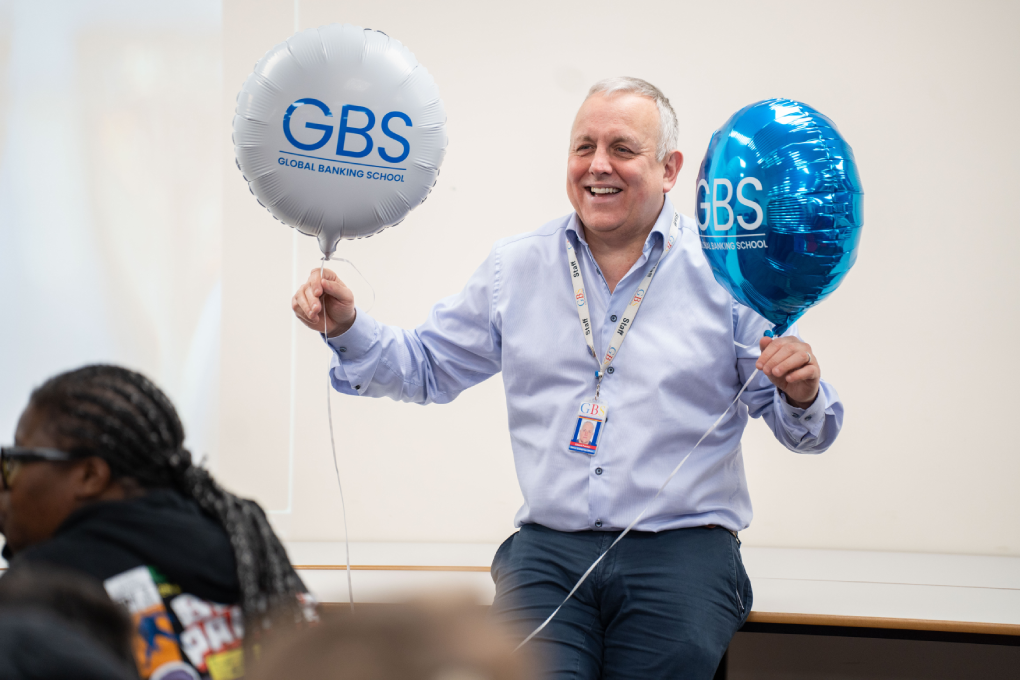
Developing the skills needed for international leadership rarely happens by chance. Many professionals build them gradually through experience, but structured study can help you understand how global markets, digital strategy and operations connect. The MSc Global Business at Global Banking School (GBS) is designed around the types of decisions international organisations are facing today.
Rather than looking at global business only in theory, the programme explores how companies respond to real challenges such as international expansion, digital competition and supply chain disruption. Several modules directly reflect the capabilities discussed earlier.
- Change management and leadership: Learn how leaders guide organisations through market shifts, technological change and international operational challenges.
- Digital marketing and branding: Understand how companies build global brands and use digital platforms to reach customers across different markets.
- Global entrepreneurship and innovation: Explore how organisations identify international opportunities and develop ideas that can scale across markets.
- Global supply chain management: Examine how businesses manage sourcing, logistics and production across global supply networks.
- Research project: Apply research and analysis to investigate a real-world global business challenge.
Studying master’s in global business helps bring together the strategic thinking, analytical skills and global awareness needed to contribute confidently to international business decisions. If your career is increasingly connected to global markets, developing a deeper understanding of global business could be a valuable next step.
Explore the MSc Global Business at GBSGBS to build the strategic perspective, leadership capability and global awareness needed to work confidently in international organisations.
FAQs about preparing for leadership in international markets with master’s in business
Q1. What can I do with a master’s in global business?
Q2. Is a master’s in global business worth it in 2026?
For professionals working in organisations with international operations, the degree can help develop leadership, strategic thinking and cross-cultural management skills needed for global roles.
Q3. What skills will I gain from an MSc Global Business?
Students typically develop skills in global strategy, leadership, digital marketing, supply chain management, entrepreneurship and research-based decision making.
Q4. Can I study international business without a business degree?
Yes. Many postgraduate programmes accept graduates from different academic backgrounds. You can review eligibility requirements for the MSc Global Business programme or contact the GBS admissions team for guidance.
Q5. What industries hire international business graduates?
Graduates work across sectors such as consulting, international trade, finance, logistics, technology, retail and multinational corporate management.
All our courses/classes are subject to availability.