 Make a call
 Prospectus
 Email
Email
 Whatsapp
18 December 2025
GBS Welcomes UNITAR and CIFAL Delegates for Global SDG Showcase
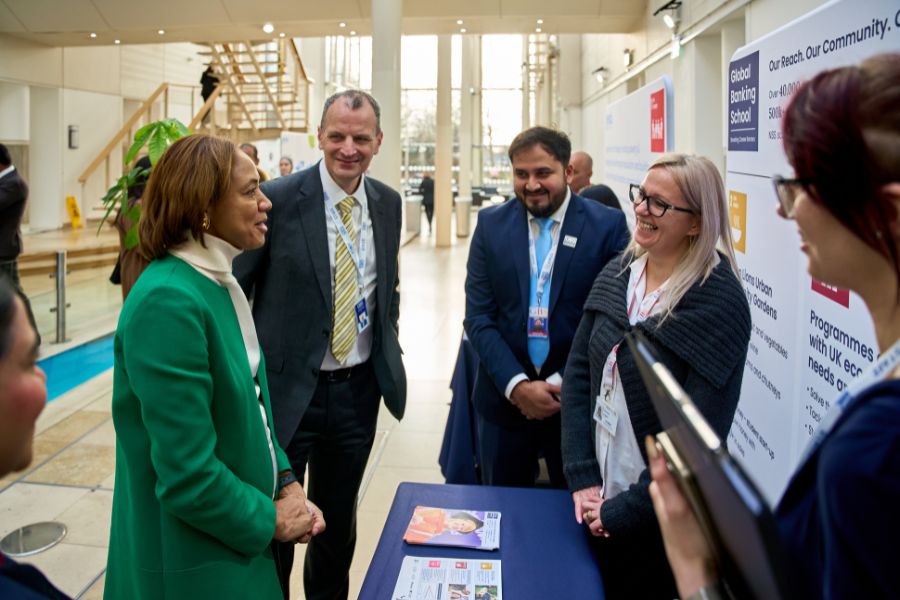
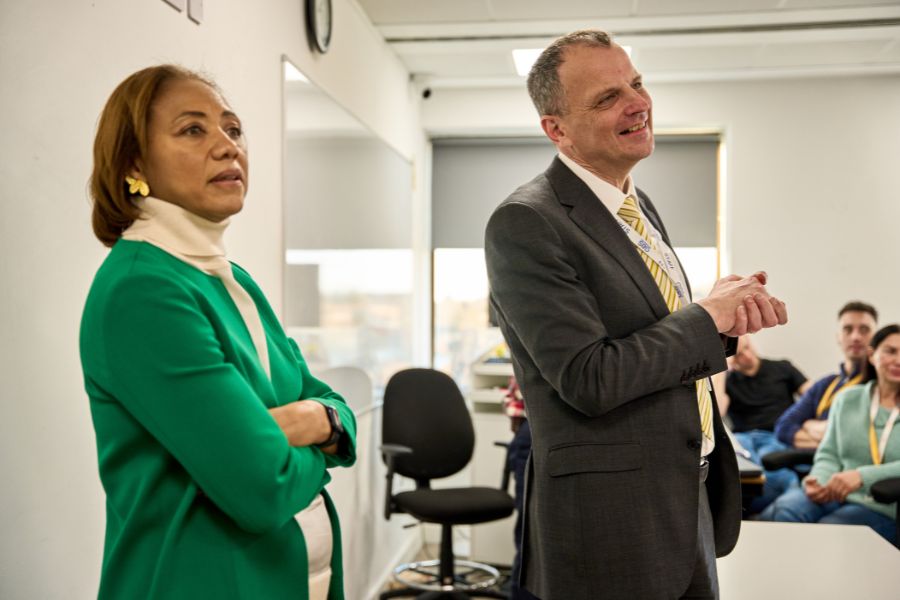
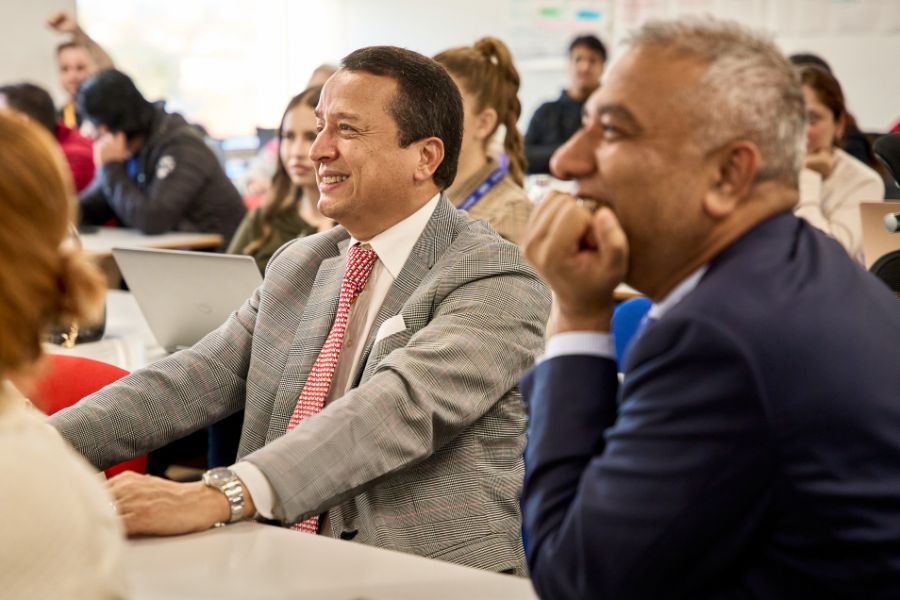
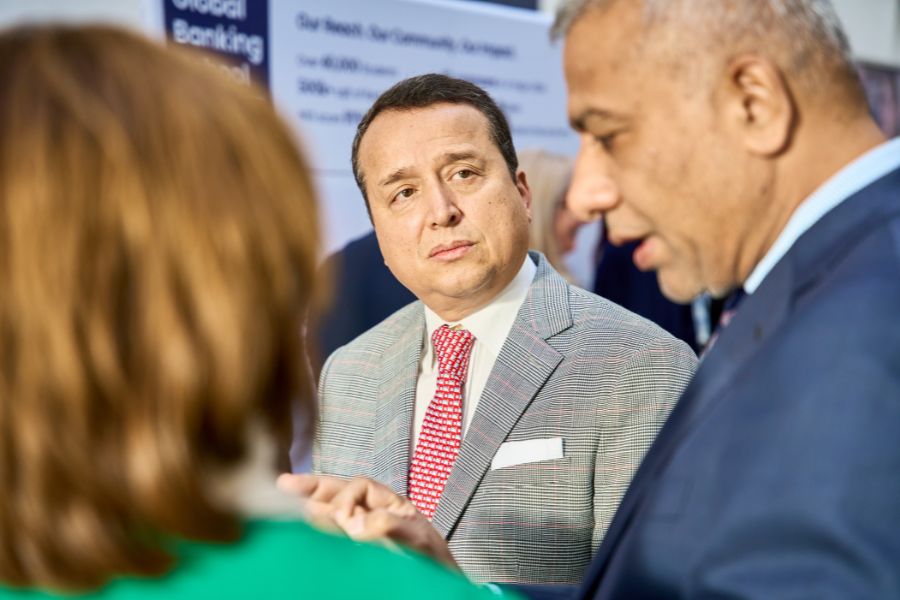
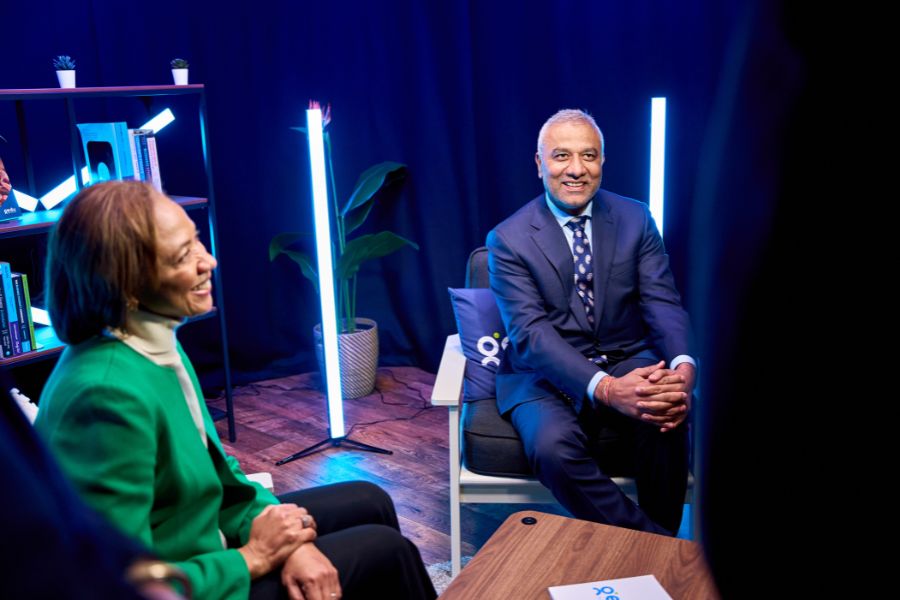
Last week, GBS was proud to welcome international delegates from the United Nations Institute for Training and Research (UNITAR) and the CIFAL Global Network to its Greenford campus for the final day of the XXII CIFAL Global Network Annual Steering Committee Meeting, marking the conclusion of a landmark three-day programme hosted across London.
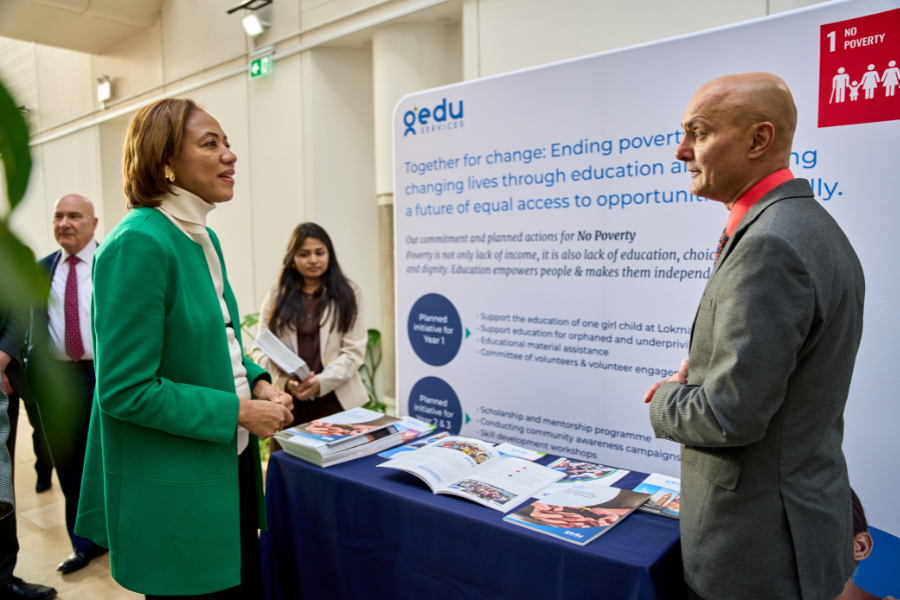
The visit brought global development leaders directly into the heart of the GBS community, offering a first-hand look at how GEDU Global Education brands, including GBS, are translating the United Nations Sustainable Development Goals (SDGs) into real-world impact.
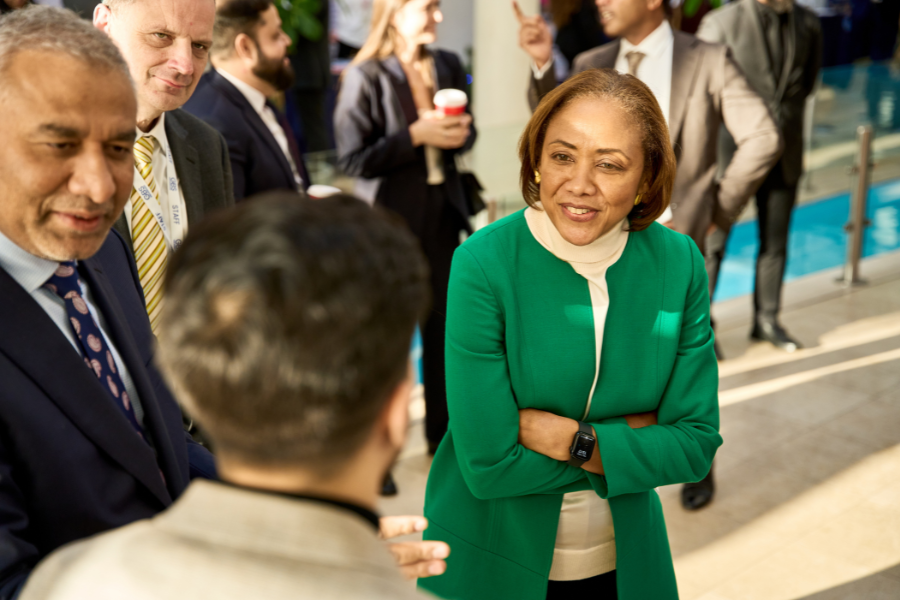
We were especially honoured to welcome Michelle Gyles-McDonnough, United Nations Assistant Secretary-General and Executive Director of UNITAR, and Alex Mejía, Head of the CIFAL Global Network and Director of UNITAR’s Division for People and Social Development.
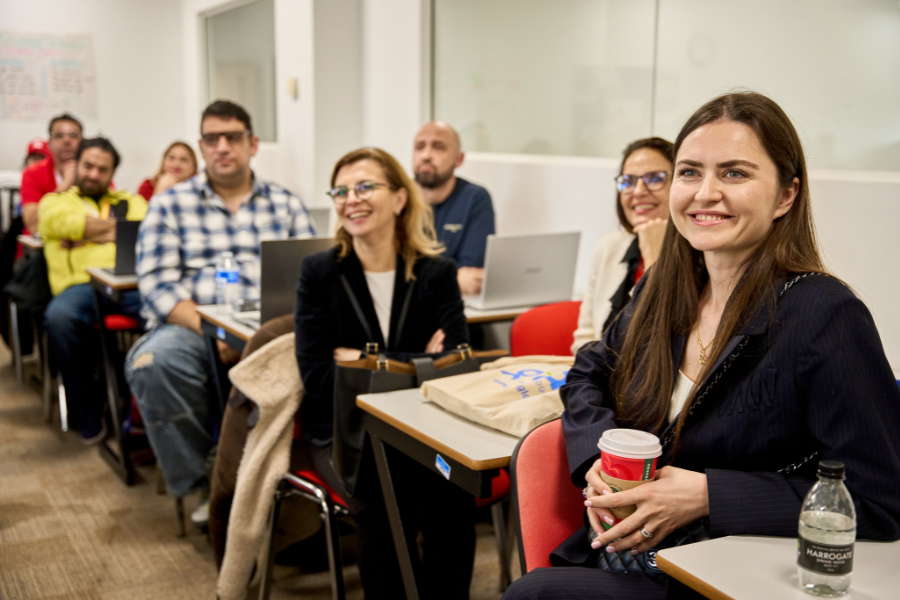
Both leaders spent time speaking directly with GBS students and staff, listening to their experiences, learning about their aspirations, and discussing how education can help forge a pathway towards the 2030 Agenda achieving the SDGs.
GBS’s showcase focused on its measurable contribution to SDGs 2, 8 and 10, highlighting initiatives that place social mobility, economic opportunity and community wellbeing at the centre of its mission.
Through its partnership with the Lions Club of Heston, GBS is contributing to SDG 2: Zero Hunger by supporting the District 105A Urban Community Garden. This initiative has already produced over 1,500kg of organic fresh food, distributed to local foodbanks and soup kitchens, reinforcing the role of education institutions in addressing food insecurity.
In support of SDG 8: Decent Work and Economic Growth, GBS shared the scale of its enterprise impact. More than 6,000 UK businesses are currently run by GBS students, with over 500 startups launched through support from initiatives such as our Enterprise Hub. Each year, 2,400+ students progressed into employment, thanks to support from GBS’s Department of Graduate Employment and Entrepreneurship, demonstrating how inclusive education can directly fuel economic growth.
Addressing SDG 10: Reduced Inequalities, GBS highlighted its commitment to widening access to high-quality higher education. With students from 155 countries, 10 campuses located in economically and socially diverse communities, and 28,000+ students (70% of GBS students) coming from IMD 1 and 2 backgrounds, GBS has contributed to 40% of the sector’s overall improvement in the deprivation index, reinforcing its role as a leader in social mobility.
GBS is proud to have hosted this important moment in the global SDG dialogue and to stand alongside partners across the GEDU Global Education portfolio of brands, UNITAR and CIFAL in driving sustainable, inclusive impact – both in a local and international context.