
 Make a call
 Prospectus
 Email
 Whatsapp

Intakes
October, January, June
October, January, June
Oxford Brookes University
4 Years
Weekdays and/or evenings *Classes are subject to availability
Birmingham, Manchester, Leeds, London
During your Foundation Year, you will gain the academic, communication and research skills you need to excel in higher education. You will explore key areas of health and social care, including care, compassion and professional foundations while developing confidence in writing, critical thinking and presenting ideas. You will gain a comprehensive understanding of community health, wellbeing and sector environments. In addition, you will be introduced to essential concepts that will shape future practice.
At Level 4 of study, you will begin to build core knowledge of biological, psychological and social determinants of health across the life course. You will learn about ethics, communication, culture and society, alongside policies and practice. Modules will equip you with practical tools for using research and evidence, while focusing on careers and employability. You will also engage in work-based learning, problem-solving activities and group projects.
At Level 5, you will continue to deepen your skills by exploring applied research in practice, equality and social justice. The modules will address healthy ageing, mental health and wellbeing across the life course, as well as safeguarding children and adults. You will also undertake professional development through work-based learning, emphasising both collaboration and independent critical thinking.
At Level 6, you will focus on advanced health and social care principles. You will consolidate your learning by applying research and leadership concepts to real-world sector challenges. You will explore challenging evidence, evaluating and managing quality, leadership and management and social justice, equality and vulnerability, culminating in a 40-credit Capstone Project. This will help you to engage critically with existing literature and research, giving you a stronger foundation to make informed decisions and deliver effective management across the sector.
All modules you complete are 20 credits, unless otherwise stated.
| Module Name | Credits |
|---|---|
| Academic Writing Skills for Success 1 | 20 credits |
| Academic Writing Skills for Success 2 | 20 credits |
| Care, Compassion and Communication in Health and Social Care | 20 credits |
| Health and Social Care 1 - An Introduction | 20 credits |
| Health and Wellbeing Across Communities, and in Health and Social Care Environments | 20 credits |
| Professional Foundations of Health and Social Care | 20 credits |
| Module Name | Credits |
|---|---|
| Biological Psychological and Social Determinants of Health Across the Life Course | 20 credits |
| Careers and Employability in Health and Social Care | 20 credits |
| Communication and Ethics in Health and Social Care | 20 credits |
| Culture and Society in Health | 20 credits |
| Health and Social Care 2 – Policies and Practice | 20 credits |
| Introduction to Using Research and Evidence in Health and Social Care | 20 credits |
| Module Name | Credits |
|---|---|
| Applied Research in Practice | 20 credits |
| Equality and Social Justice in Health and Social Care | 20 credits |
| Health and Social Care 3 - Professional Development Through Work-Based Learning | 20 credits |
| Health and Social Care for Healthy Ageing | 20 credits |
| Mental Health and Wellbeing Across the Life Course | 20 credits |
| Safeguarding Children and Adults in Health and Social Care | 20 credits |
| Module Name | Credits |
|---|---|
| Challenging Evidence Health and Social Care | 20 credits |
| Evaluating and Managing Quality in Health and Social Care | 20 credits |
| Leadership and Management in Health and Social Care | 20 credits |
| Social Justice, Equality and Vulnerability | 20 credits |
| Capstone Project | 40 credits |
Please note: The modules listed are those currently offered and may be subject to change during our ongoing review processes. However, the core learning outcomes and themes will remain largely consistent.
Assessment on the course is designed to provide suitable opportunities for all students to demonstrate a full range of knowledge, skills and competences that are key in health and social care. Assessment methods include essays, reports, individual and group presentations, group debates, small group projects and real-life simulations. Where possible, simulations are used so that students can develop structured arguments through reflection, judgement and evaluation.
You will be required to work in your own time to complete research, homework tasks or group work. Self-study is vital to your success in this course and lecturers will give you guidance on how best to approach this throughout the study period.
Assessment methods at GBS are reviewed annually and may be updated based on student feedback, in line with developments in the subject area or based upon feedback from an External Examiner. An External Examiner is an independent academic expert from an external Higher Education Institution that acts as a safeguard to academic assessment standards.
Applicants Must be Aged 18+ and:
Applicants Aged 21+:
We welcome applications from students 21+ who do not match the standard entry requirements but who can demonstrate willingness and commitment to studying this subject and who can evidence academic, professional or vocational experience in a related field.
Be assessed via an interview for listening, speaking and writing (more details shown in the ‘Next steps’ section).
Next Steps:
| Course Name | Fees for New and Existing Students from August 2026 |
| BSc (Hons) Health, Wellbeing and Social Care with Foundation Year - (OBU) | £9,790 (per year) |
Following the Government’s announcement that Undergraduate tuition fees for UK Undergraduate students will change for students enrolling or re-enrolling after 1 August 2026, GBS has updated the Fees information, as shown above.
Tuition fees for home students may increase in subsequent years both for new and continuing students in line with an inflationary amount determined by the government.
Funding Your Study
You may be able to borrow money from the UK Government to help pay your tuition fees and to help with your living costs while studying.
This could take the form of a Tuition Fee Loan to cover the cost of your tuition fees and/or a Maintenance Loan to support you with living costs whilst studying.
Please visit our Fees & Funding page for more information.
After completing the degree, you will be prepared for a wide spectrum of professional roles across the healthcare and social care sectors. The course addresses critical skills and fosters person-centred values valued across public, private and voluntary sectors. You could consider diverse career paths in areas such as:
Health and social care provision: Care coordinator, community support worker, health improvement officer and social care manager.
Public and community services: Local authority caseworker, public health officer and housing support specialist.
Education and youth services: Family support worker, education welfare officer and early years practitioner support.
Charities and non-profits: Outreach worker, project coordinator, charity advocate and sector advisor.
If you're seeking a course that provides a deep understanding of the healthcare sector and equips you with the skills and experiences necessary for making a significant impact after graduation, then the BSc (Hons) Health, Wellbeing and Social Care with Foundation Year course is designed for you. This course is structured to help you understand healthcare provision, starting from foundational knowledge to developing the professional skills required to make a meaningful impact.
Upon completing the BSc (Hons) Health, Wellbeing and Social Care with Foundation Year course, you will be equipped with the necessary skills, practical experience and industry knowledge to confidently begin your career in the healthcare and social care sectors. This preparation ensures your ability to make a positive impact in these fields both now and in the future.
After completing the BSc (Hons) Health, Wellbeing and Social Care with Foundation Year course, you can pursue careers in various sectors, including health, social care, education, charities, or public services. Potential employers encompass the NHS, local authorities, charities, not-for-profits, community organisations, schools, higher education institutions, early years organisations and adult education settings.
Our BSc (Hons) Health, Wellbeing and Social Care with Foundation Year course is offered at ten campuses located in Birmingham, London, Leeds and Manchester. Each destination offers excellent classroom facilities and a variety of leisure activities to enjoy during your free time.
Choosing the right course is about finding one that fits your lifestyle and personal commitments. That’s why our BSc (Hons) Health, Wellbeing and Social Care with Foundation Year offers flexible study options, with classes available on weekdays and in the evenings, helping you maintain a balanced life both inside and outside the classroom.
Here are the entry requirements for this course:
Applicants must be aged 18+ and:
Applicants aged 21+:
Next steps:
During the BSc (Hons) Health, Wellbeing and Social Care with Foundation Year, you will start by gaining foundational knowledge and skills essential for success in the subsequent three years.
As you progress, the intensity of your learning increases, focusing on determinants of health, policy, ethics and sector management. The final year offers advanced insights into quality management, leadership and social justice. You will have opportunities to apply your learning to real-world scenarios, honing your professional skills crucial for sector impact.
The course also delves into the theory and practice of health and social care across various contexts, providing insight into the importance of evidence-based practice and person-centred care.
This course uses an authentic assessment strategy to ensure that each module takes you into realistic real-life situations, providing a formative pathway for assessing the learning goals of both specific modules and the overall course.
The assessment of the course is designed to provide suitable opportunities for you to demonstrate a full range of knowledge, skills and competencies that are key in health and social care. Assessment methods include essays, reports, real-life simulations, presentations, small group projects and group debates.
You will be required to work on your own time to complete research, homework tasks or group work. Self-study is vital to your success in this course and lecturers will give you guidance on how best to approach this throughout the study period.
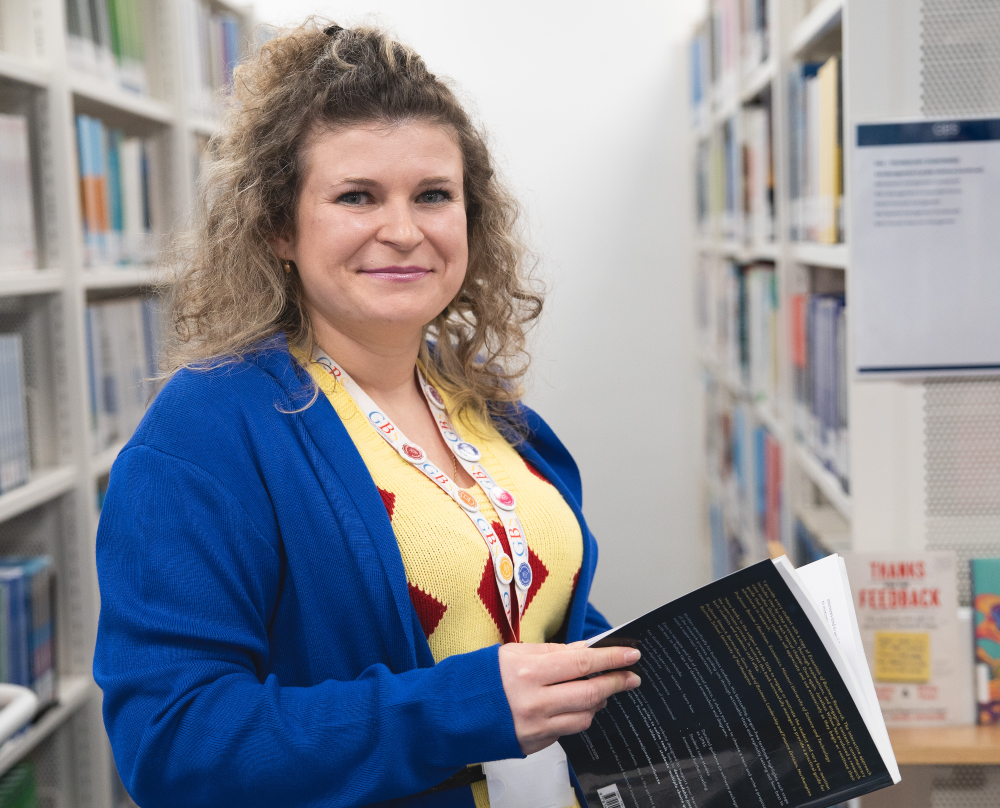
Alexandra Popica
This course is relevant for the industry and every module feels like a blueprint for the future. I have learned to think like a manager, and not just a student.

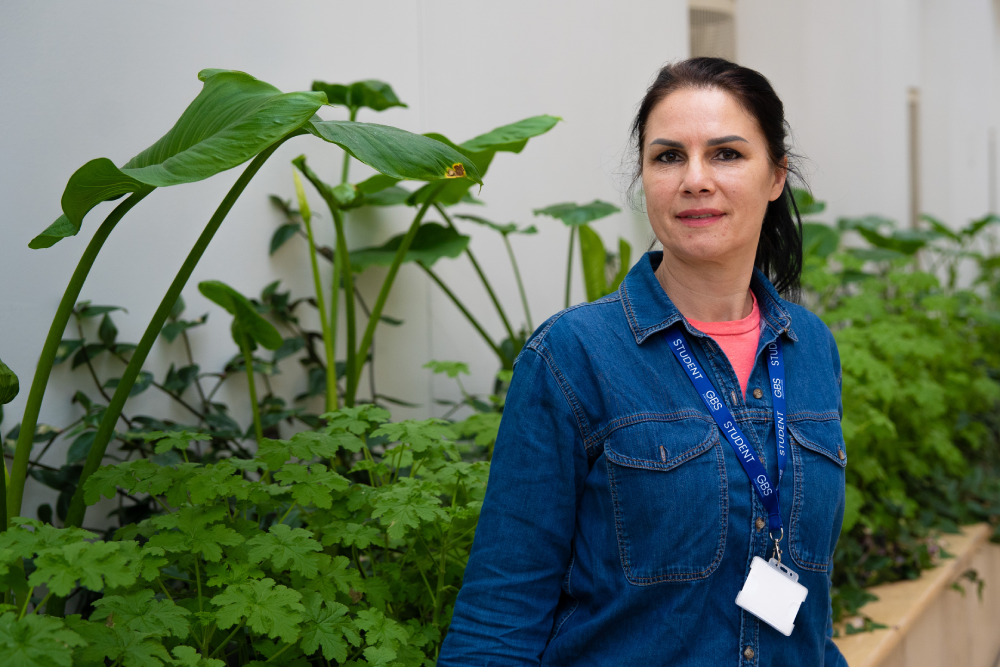
Hajnalka Miklos
After a long time out of education as a stay-at-home mum, I returned to study at GBS to gain a qualification and improve my life.
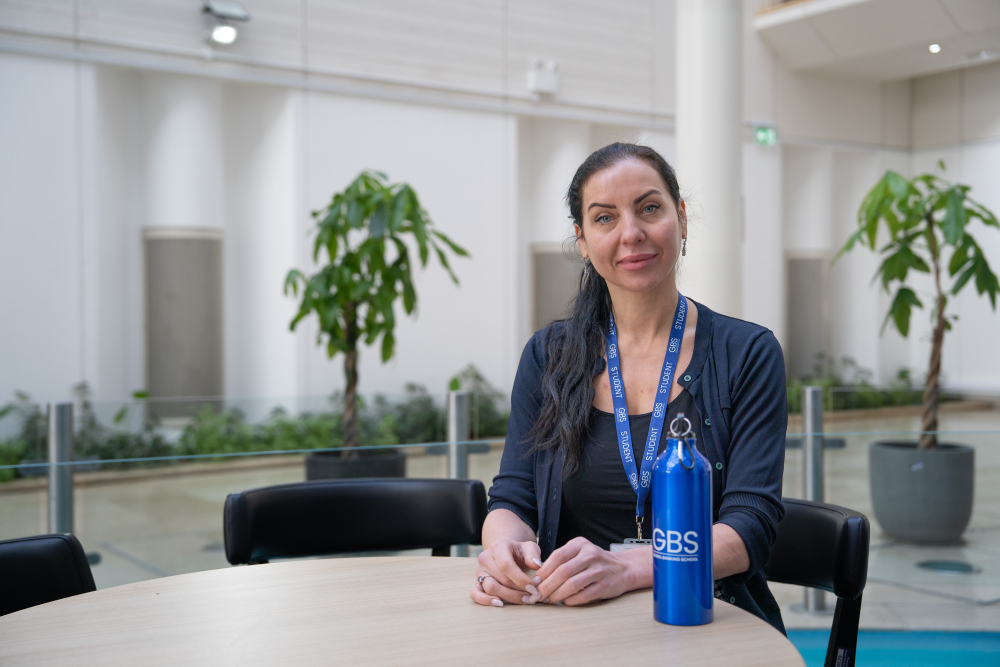
Lana Lanina
If you have an idea to open a business or grow your existing business then GBS is definitely the right place for you.
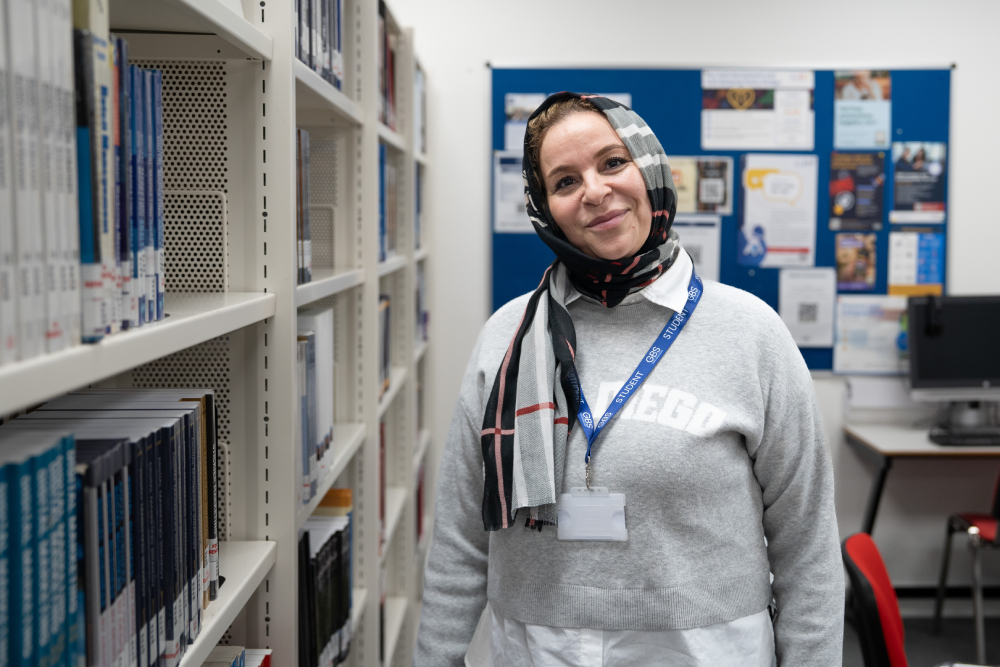
Mouna Ayare
My daughters are really proud of me for returning to study, and I am also proud of myself. I’m really thankful for GBS for giving me this pathway back to education.
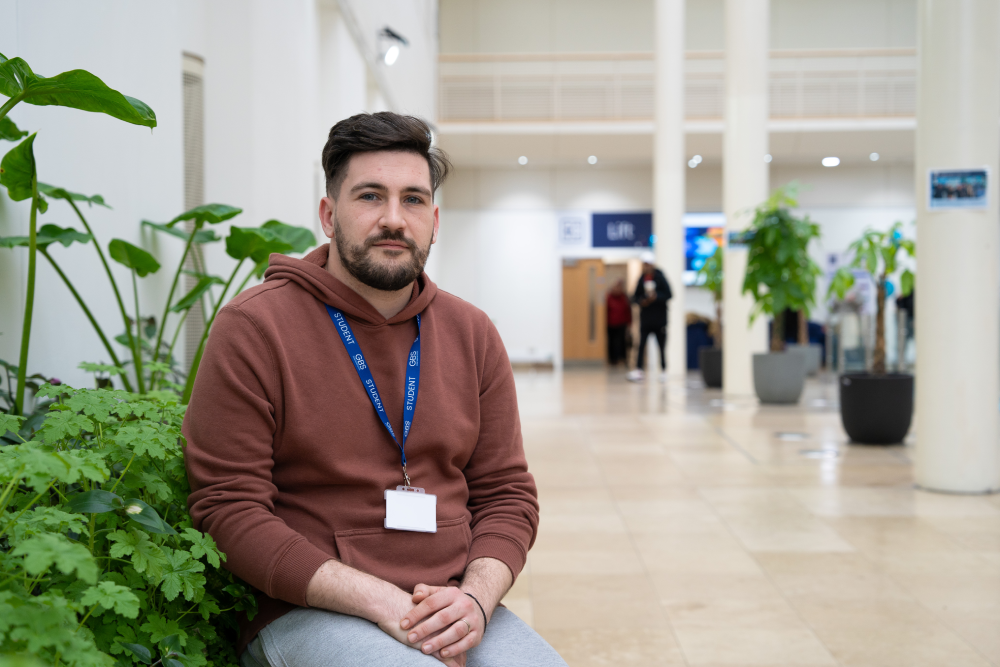
Richard Hevesi
The supportive study schedule at GBS allows me to attend classes alongside working my job. This course has already improved my personal and professional skills.
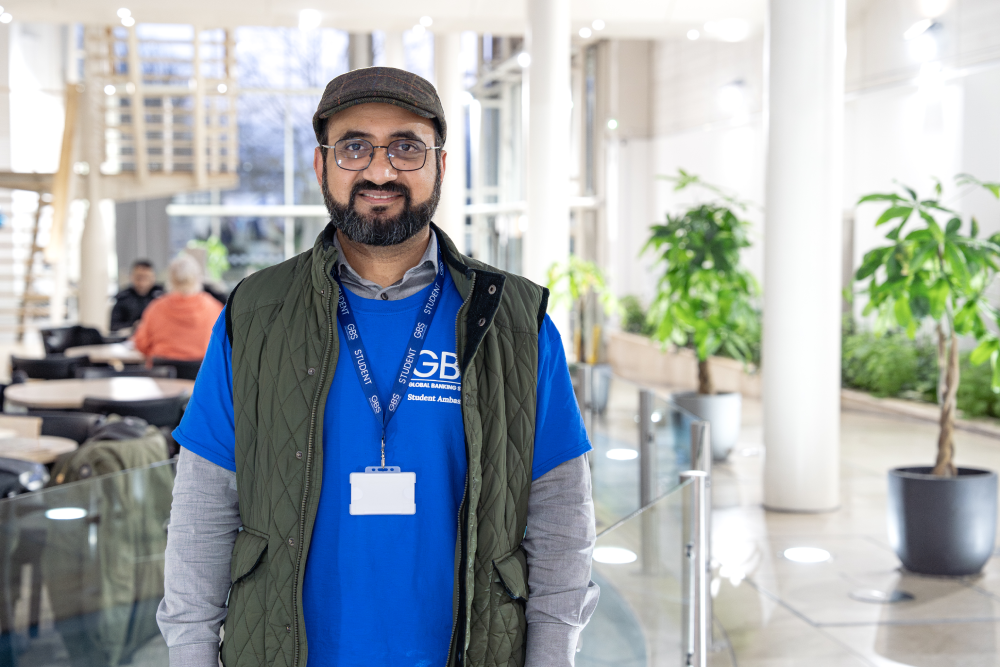
Syed Kazmi
This course not only allows me to pursue my passion but provides job security for the future. I feel like my future is really bright thanks to GBS.
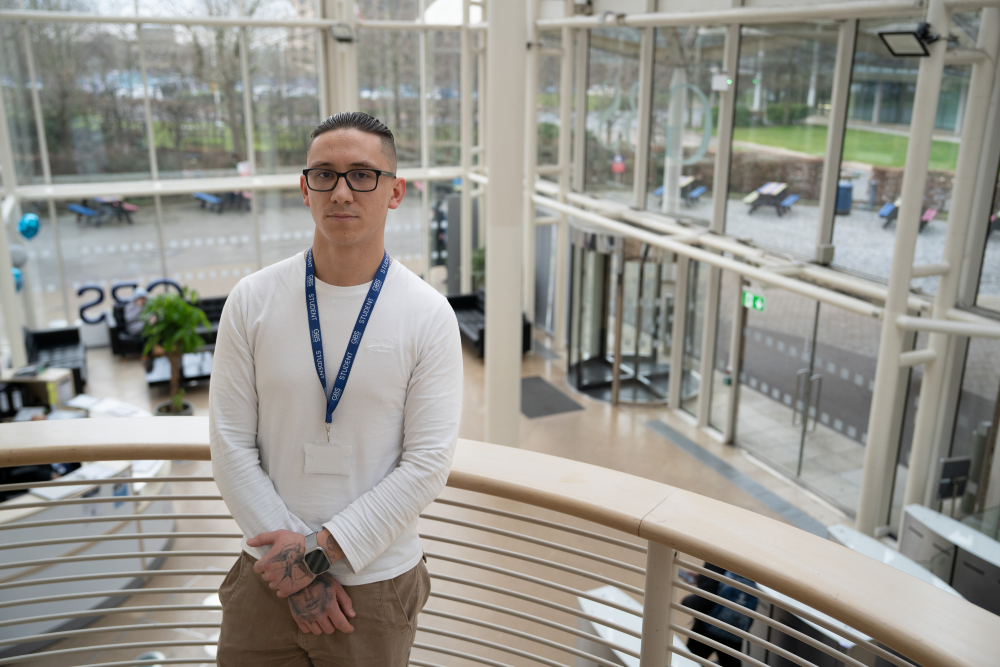
Vasile Carnavaschi
I’m studying at GBS to change my career path. I’m learning practical, real-world skills and not just theory.





All our courses/classes are subject to availability.


