
 Make a call
 Prospectus
 Email
Email
 Whatsapp
AI improves speed, accuracy and insight into project tasks. It automates administrative work, strengthens risk forecasting and supports better decision-making, enabling project managers to focus on strategic leadership.
Impact of artificial intelligence and digital transformation in project management
A practical guide to the impact of AI and digital transformation in project management. Learn how automation, ethics, skills and sustainability are shaping the profession’s future.

Project work today runs on more data than entire organisations used a decade ago. Schedules update themselves. Dashboards flood you with patterns before you even ask. Yet, 65% of projects fail to meet their original goals because decision-making is slowed down by complexity, impossible workloads and information you are expected to interpret at speed.
At the same time, artificial intelligence (AI) systems are accelerating far faster than the structures designed to manage them. It is estimated that 80% of current project management tasks could be automated by 2030. Digital transformation projects alone are forecast to surpass $4 trillion by 2027. It will change the environment in which project teams operate and raise expectations for their leaders.
You are standing in the middle of that transition, where machine intelligence expands what is possible, but every meaningful decision still depends on human judgment. Where predictive models can surface 10 risks before lunch, but only you can choose which one actually matters. The real pressure is not AI replacing roles. It is the growing responsibility to understand it, question it and use it in ways that protect people, organisations and outcomes.
Table of Contents
The impact of AI in modern project management
AI is changing project management in real time. Not in abstract predictions, but in measurable ways you already see at work, such as automated reporting, risk forecasting, smarter scheduling and improved insights.
1. A new layer of intelligence in project work
AI is now able to collect real-time project data, detect early signs of risk and generate multiple scenario models far faster than traditional tools. This means you gain:
- Relief from repetitive tasks.
- Faster access to insights.
- Cleaner data for stakeholder discussions.
- Less friction in project tracking.
This insight also warns us that many claims around AI efficiency oversimplify what project managers actually do. Human strengths such as stakeholder management, ethical decision-making, context-reading and conflict navigation remain irreplaceable.
2. AI as a partner, not a replacement
Across multiple expert contributions and industry research, one message is clear: AI is becoming a collaborator. A project partner. A second pair of eyes that helps you see what you might otherwise miss. Predictive AI, for example, supports:
- Forecasting costs and schedules.
- Identifying resource constraints early.
- Spotting hidden patterns in large datasets.
- Modelling impacts of scope changes.
However, it still relies on you to interpret its insights, apply judgment and ensure fairness when data or algorithms are biased.
Digital transformation in project management
Digital transformation in project management is not just about adopting tools. It is a shift in culture, capability and decision-making. It changes how teams work, how organisations learn and how projects integrate with the wider digital ecosystem.
Why digital transformation is a turning point
Digital transformation has moved beyond simply adopting new tools. It reshapes how projects operate, how teams communicate and how decisions are made under pressure. Organisations are investing in digital ecosystems because modern projects generate more data, involve more stakeholders and demand faster responses than ever before. This shift is driven by a number of forces such as those listed below:
- Rapid growth in project data across planning, delivery and reporting.
- Real-time expectations from clients and leadership.
- Hybrid and distributed teams relying on integrated communication systems.
- Automation across supply chains and operational processes.
- Rising sustainability obligations linked to environmental and societal outcomes.
As digital systems expand, many organisations face familiar challenges: siloed information, mismatched processes, unclear responsibilities and fragmented workflows. These issues weaken trust in digital outputs and slow decision-making.
Digital transformation in project management is not just about efficiency. It asks teams to rethink roles, clarify data ownership, strengthen communication and embed practices that support transparency, accountability and shared understanding. It is structural change, requiring strong technical systems and confident human leadership.
A more connected project environment
Digital systems now sit at the centre of how modern projects operate. When data flows cleanly across tools, teams and timelines, decision-making becomes sharper and far more adaptive. The pressure on project managers shifts from collecting information to interpreting it. When project managers work with well-integrated digital ecosystems, they gain access to:
- Real-time dashboards.
- Integrated communications platforms.
- Automated portfolio insights.
- Predictive risk indicators.
- Remote collaboration capabilities.
These capabilities reduce duplication, strengthen transparency and support faster responses. However, their value depends on the project manager’s ability to judge, challenge and contextualise what the tools reveal.
AI and project management: Human, ethical and real-world implications
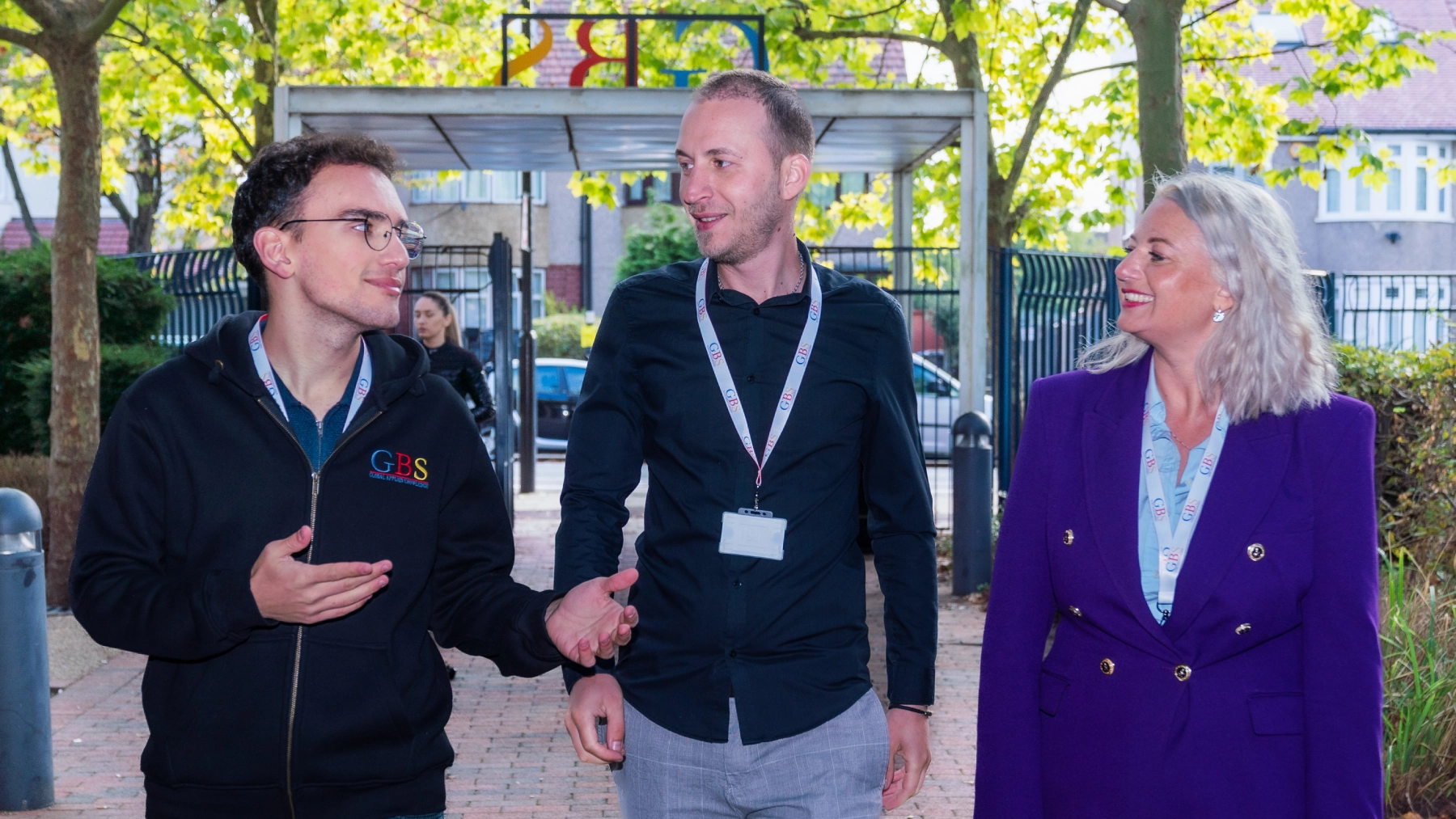
AI has already embedded itself in many organisations' core project processes. This has caused project managers to take on a new layer of ethical and professional responsibility. As AI becomes part of everyday work, decisions may be shaped by systems that process information far faster than humans. However, they lack the lived context that humans bring. This creates powerful opportunities for accuracy and foresight, but also new risks when data is biased, incomplete or opaque. Ethical leadership becomes a defining skill in this landscape.
Why ethical oversight is non-negotiable
AI can generate biased or incomplete outputs because training data may be skewed or unrepresentative, algorithmic logic often inherits human assumptions and many models operate with limited explainability. These issues can distort decisions, from risk prioritisation to resource allocation. Ethical project managers must ensure:
- Transparency around how AI outputs are produced.
- Accountability for decisions involving AI.
- Intentional boundaries between human and automated judgement.
- Ongoing checks for bias, fairness and unintended consequences.
This approach aligns with PMI’s Code of Ethics and reinforces the need for human discernment at the centre of AI-enabled work.
Emotional intelligence becomes more valuable
AI reduces complexity, but it cannot replace the relational demands of project leadership. Humans remain responsible for:
- Understanding stakeholder concerns.
- Supporting team wellbeing.
- Navigating conflict.
- Managing client expectations.
- Making ethical judgements.
Emotional intelligence continues to be a core predictor of project success, especially in high-pressure environments where nuances matter.
How AI is changing project management roles
The expectations placed on project managers are shifting from operational oversight to strategic influence. As automation increases, the human role becomes increasingly focused on context, leadership and interpretation. This evolution requires a new blend of technical capability and human-centred thinking. The profession’s evolution includes:
- Less administration, more strategy.
- Hybrid work with human–AI teams.
- Greater responsibility for data governance.
- Stronger expectations of digital literacy.
- A sharper focus on innovation, ethics and sustainability.
Routine tasks such as scheduling, reporting and tracking will increasingly be automated. Project managers will concentrate on:
- Interpretation of AI outputs
- Scenario and risk analysis
- Strategic decision-making
- Stakeholder engagement
- Guiding ethical AI use
This shift calls for continuous learning and confidence using digital tools, AI systems and data-driven insights.
Building resilient projects for an AI-enabled future
Resilience is becoming an essential capability as projects face greater uncertainty, tighter deadlines and more interdependence. AI strengthens this by helping teams identify early signs of disruption and simulate risk scenarios long before issues surface. Yet no predictive system can replace human judgement, especially in complex, ambiguous or fast-moving situations. True resilience is built at the intersection of technology and human intuition. AI contributes to resilience through:
- Real-time risk monitoring.
- Anomaly detection.
- Crisis simulations.
- Support for adaptive planning.
Yet resilience depends on:
- Human interpretation of AI findings.
- Ethical boundaries.
- Clear and consistent communication.
- Trust within teams.
- The ability to shift strategies quickly.
AI enhances foresight. Humans provide meaning, context and direction.
Environmental implications of AI in project management
AI improves efficiency, but its environmental impact cannot be ignored. Every automated system draws energy, relies on hardware and contributes to digital waste. As AI adoption accelerates, project managers must balance technological advancement with environmental responsibility. It requires conscious planning, transparent lifecycle thinking and better governance around digital infrastructure.
- Emerging research highlights key environmental risks such as:
- High energy consumption from data centres.
- Electronic waste from automation hardware.
- Cooling systems contributing to pollution.
- Increased emissions from the global transport of specialised equipment.
These challenges show that automation is not automatically sustainable. Project managers will play a central role in integrating eco-innovation, responsible procurement and environmental criteria into digital transformation decisions.
How a BSc (Hons) Project Management with Foundation Year prepares you for this future

Project management is changing quickly and future professionals need a balanced mix of technical fluency, ethical judgement and human-centred leadership. Employers increasingly look for individuals who can interpret data, guide AI-enabled workflows and keep projects focused on people, value and impact. A strong foundation in these areas gives graduates the confidence to navigate complexity and lead with clarity. A successful project manager will need:
- Digital and AI literacy.
- Ethical and responsible decision-making.
- Understanding of data-driven tools.
- Leadership and communication skills.
- Emotional intelligence.
- Applied project experience.
GBS's BSc (Hons) Project Management with Foundation Year supports these needs by offering real-world assessment scenarios, flexible study options and supportive teaching. You will build the capabilities employers ask for, such as adaptability, informed judgement, the confidence to use AI responsibly and the ability to lead people and technology together.
AI will continue changing how projects work, but the real change sits with the people who know how to use it well. The strongest project managers will be those who can balance data with judgement, speed with responsibility and automation with empathy. With the right skills, you can step into this future with clarity and confidence, ready to lead projects that are faster, smarter and more human than ever.
Start building those skills with GBS's BSc (Hons) Project Management with Foundation Year.
FAQs about the impact of artificial intelligence and digital transformation on project management
Q1. What is the impact of artificial intelligence in project management?
Q2. How is digital transformation changing project management?
Digital transformation reshapes workflows, communication and data use. It integrates predictive insights, automation and real-time systems, creating more connected and responsive project environments.
Q3. Will AI reduce project management jobs?
Current research shows AI will replace tasks, not the profession. Human skills such as emotional intelligence, ethical judgement and stakeholder management remain central to project success.
Q4. What skills do future project managers need?
Future project managers need to master digital literacy, gain an advanced understanding of AI systems, demonstrate professional communication and be ethically aware. Emotional intelligence, adaptability and leadership will continue to remain among the top core capabilities.
Q5. Is AI sustainable for project management?
AI reduces some inefficiencies but increases energy use and electronic waste. Sustainable project managers must balance efficiency with environmental responsibility.