
 Make a call
 Prospectus
 Email
Email
 Whatsapp
Digital mental health tools are apps, online platforms or digital therapeutics designed to support emotional wellbeing. Some offer self-help or mindfulness, while others, like internet-delivered CBT, are clinically tested and sometimes procured by the NHS. They are helpful for mild to moderate anxiety and depression, especially therapist-supported online CBT.
Digital mental health tools and their effectiveness
Digital mental health tools offer more accessible support, but gaps persist. Discover with GBS how effective they are, the key statistics and why studying psychology matters now.
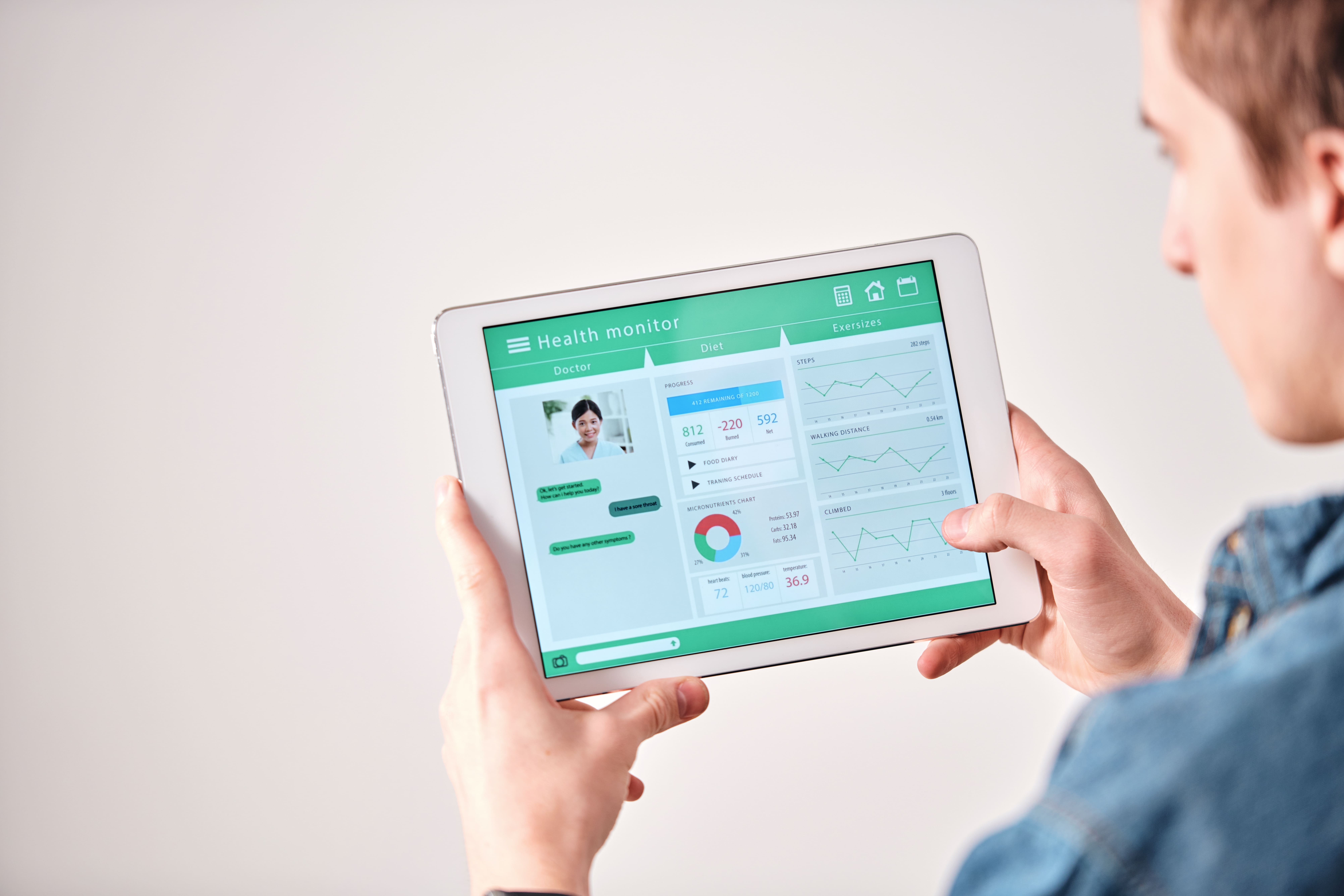
More and more people in the UK are turning to apps and online platforms to cope with their mental health. In England, one in six adults experience symptoms of anxiety or depression each week, yet NHS Talking Therapies can involve long waiting times before treatment begins. Faced with these delays, some people are turning to digital mental health tools and even general artificial intelligence (AI) chatbots as a way of filling the gap.
But while these tools can sometimes provide comfort, they are not a replacement for trained professionals. AI chatbots, for example, are not regulated medical devices and experts have warned that they should not be relied upon as therapy. At the same time, there are evidence-based digital mental health tools that have been shown to help when properly designed, supported and assessed for safety.
That is why understanding the difference between credible e-mental health interventions, clinically guided tools and unregulated alternatives is important. In this blog, we will explain what digital mental health tools are, how digital therapeutics for mental health are assessed and what the evidence says about their effectiveness. You will also learn about the urgent need for trained counsellors and psychologists who can guide people towards safe, effective care and how you can prepare for that work through study.
Table of Contents
- What are digital mental health tools?
- How effective are digital therapeutics for mental health?
- Where do AI chatbots fit in and why the caution?
- Risks and red flags to watch for
- How to choose credible e-mental health interventions
- When to seek professional help
- Why study this field now?
- Study Psychology with Counselling at GBS
- FAQs about digital mental health tools and their effectiveness
What are digital mental health tools?
Digital mental health tools, sometimes called e-mental health interventions, are technologies designed to support mental health and wellbeing. These include mobile apps, wearable devices and online platforms. Some are simple self-help resources, while others are more advanced solutions tested in clinical settings. They typically fall into four broad categories:
- Information and psychoeducation: Websites and apps that share reliable self-help content, often based on NHS or charity guidance.
- Self-management tools: Mood trackers, mindfulness apps and breathing exercises that help users monitor or manage daily stress.
- Guided online therapies: Internet-delivered programmes, such as internet Cognitive Behavioural Therapy (iCBT), are often combined with support from a therapist or coach.
- Digital therapeutics (DTx): Evidence-based interventions that make health claims. These are assessed for clinical effectiveness and, in some cases, prescribed or procured by the NHS.
In England, digital health and care technologies (DHTs) are expected to meet the National Institute for Health and Care Excellence (NICE) Evidence Standards Framework. If a product functions as a medical device, it also requires approval under UK medical device regulations. In 2023, NICE introduced Early Value Assessments for digital technologies used in Talking Therapies. It highlighted tools with promising evidence, but also identified the gaps where more data is needed. What you must understand is that many effective tools combine technology with human support - rather than outright replacing it.
How effective are digital therapeutics for mental health?
There is good evidence that therapist-supported internet CBT is effective in treating adults with anxiety disorders, with results comparable to those obtained from face-to-face therapy in several studies. Self-guided versions can help some people, but the effects are usually small without human support.
Within NHS services, digital and remote approaches are being evaluated for real-world outcomes in NHS Talking Therapies (formerly IAPT). Results suggest that digital delivery can work when used within a structured, supervised care model.
The bottom line is that these digital tools can be effective, especially when guided by trained practitioners. They can be used as part of a care pathway, but they are not a universal replacement for therapy.
Where do AI chatbots fit in and why the caution?
It is important to note that general-purpose AI chatbots, like ChatGPT or Gemini, are not digital mental health tools. They are not clinically validated or regulated as medical devices. UK regulators treat software that makes medical claims as a device, which brings legal duties around safety, risk management and performance. Most open AI chatbots do not meet those standards. Yet, rising NHS waiting times have led some young people in the UK to use them informally as 'therapy substitutes'.
Experts have warned about how unsafe this is, as these chatbots can generate misleading or harmful advice. This contrast underlines the need to distinguish between regulated digital therapeutics and unverified AI use. Use AI for general wellbeing tips if you wish, but do not rely on it for diagnosis, risk assessment or crisis support.
Risks and red flags to watch for
Digital mental health tools can be valuable, but not all are safe or effective. Knowing the risks helps you make informed choices.
- No clinical oversight: Tools that claim to treat conditions without human support can be risky. NICE’s reviews show that guided models with professional input tend to be safer.
- Regulation gaps: If a tool makes medical claims, check whether it meets Medicines and Healthcare products Regulatory Agency (MHRA) device rules and carries the right approvals.
- Privacy concerns: Credible tools follow strict data standards set out in the NICE framework. If privacy policies are vague or missing, avoid the tool.
- Crisis unsuitability: Most apps state clearly that they are not for emergencies. In urgent situations, NHS guidance is to call 111, 999, go to A&E.
How to choose credible e-mental health interventions
Not every app or platform is trustworthy. The following checklist can help you make an informed decision:
- Purpose is clear and realistic: Education or self-help is fine. Bold promises of 'cures' are not.
- Evidence is published: Look for tools aligned with NICE standards, clinical trials or NHS evaluations.
- Human support is included: Guided therapies generally show better outcomes than standalone apps.
- Safety features are visible: The best tools provide clear signposts to urgent help and avoid overstepping their scope.
- Data protection is robust: A transparent privacy policy and secure handling of sensitive data are non-negotiable.

When to seek professional help
Digital mental health tools can support day-to-day wellbeing, but they are not replacements for professional care. If symptoms persist, worsen or disrupt daily life, seek help from a qualified professional. In England, you can:
- Contact your GP for a referral to NHS Talking Therapies.
- Call 111 for non-emergency urgent advice.
- Call 999 or visit A&E in a crisis.
Remember, while self-management apps can help with coping, professional care remains essential for long-term support and treatment.
Why study this field now?
The UK is at a turning point in digital mental health. With waiting lists for therapy at record highs, the demand for safe and effective digital care is increasing. NICE and NHS England are testing new pathways, from online CBT to digital triage tools. However, these systems need trained professionals who can blend psychology, ethics and digital literacy to guide, monitor and evaluate them. The study of psychology with counselling today is a preparation for this future.
Study Psychology with Counselling at GBS

The BSc (Hons) Psychology with Counselling with Foundation Year programme develops your understanding of behaviour and builds practical counselling skills. You will learn research methods, communication and ethical practice. You will also explore how digital tools fit into modern care without replacing human judgment. This mix will prepare you for roles across mental health, education and community services, or carve the way for advanced postgraduate study.
Disclaimer
This article is intended for educational purposes only. It provides general information about digital mental health tools and is not a substitute for professional medical or psychological advice, diagnosis or treatment. If you are experiencing anxiety, depression or any mental health concern, please seek support from a qualified healthcare provider or licensed therapist. If you are in crisis, contact your GP, local NHS mental health services or an emergency helpline immediately.
FAQs about digital mental health tools and their effectiveness
Q1. What are digital mental health tools and are they effective?
Q2. Are AI chatbots like ChatGPT considered digital mental health tools?
No. General-purpose AI chatbots are not clinically validated or regulated as medical devices. Experts have warned that they should not be used as substitutes for therapy.
Q3. How can I spot credible digital therapeutics for mental health?
Check for evidence against the NICE Evidence Standards Framework and whether the product is part of an NHS-evaluated pathway. Look for human support and robust privacy.
Q4. Do digital tools help while on a waiting list?
They can support self-management and guided tools within NHS services, which may offer some assistance; however, they are not a substitute for clinical care. Seek professional advice if you are unsure.
Q5. Why study psychology with counselling at GBS?
The BSc (Hons) Psychology with Counselling with Foundation Year at GBS prepares students to combine counselling skills with an awareness of digital tools. You will learn to support mental health in real-world contexts while understanding how new technologies fit into care.